Earth Garden Report ENCOD Website Karen Mamo Pic 01a

ENCOD at Earth Garden Festival Malta 2022

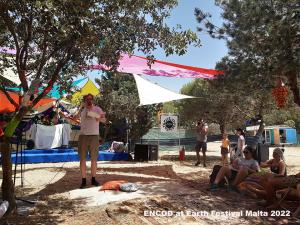
As the festival season kicked-in in Malta, ENCOD participated at the first harm reduction booth set up at Earth Garden festival. Organised from 3rd to 5th of June, Earth Garden Festival is synonymous with the local entertainment scene and provides a family friendly atmosphere to those visiting the festival grounds. Spread over three days and including the participation of numerous local and foreign artists, the festival attracted thousands of people throughout the weekend. The different music genres, information stalls, but also a number of workshops addressing health and well-being facilitated an innovative educational and talking hub.

ENCOD‘s new president Dr Fabian Steinmetz delivered a very well attended workshop on cannabis quality and transparency. Dr Steinmetz congratulated Malta for the historic legislative change decriminalising cannabis, and the possibility to establish non-profit cannabis associations, like ENCOD’s own Cannabis Social Club model. He spoke about the importance of promoting an educated approach, especially for those who have found a new passion for horticulture and anything green. Focusing on the role of education and knowledge about different risks associated with home growing, the ENCOD President highlighted the importance of identifying possible contamination of cannabis and bioburden (presence of microorganisms), especially in country’s prone to humid weather and thus increased risk of mold, as is the case in Malta.

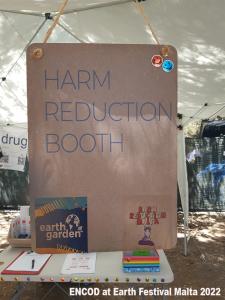
The Harm Reduction booth, sponsored by the University of Greenwich, was set up by ENCOD member Ms Karen Mamo who for the past couple of years has been pushing for a humane and a harm reduction approach for drug use in Malta. Through the facebook page Harm Reduction Malta, Karen is the first local researcher to advance a human rights-based approach to drug policy and is further advocating for the rights of people who use drugs.  Together with Dr Giulia Zampini – founder of the People and Dancefloors project, Karen spoke about the nexus between drugs in society, education and public health.  


During the visit to Malta, President Steinmetz also used the opportunity to meet with Ms Mariella Dimech, Chairperson of the Authority for the Responsible Use of Cannabis, whereby discussions revolved around the role of testing and the dialogue between cannabis growers, consumers, and authorities.  

ENCOD’s participation was covered by the excellently penned article No more ‘war’: reducing harm is the new language on drugs, written by journalist Maya Dimitrijevic, working with one of the leading newspapers in Malta, MaltaToday

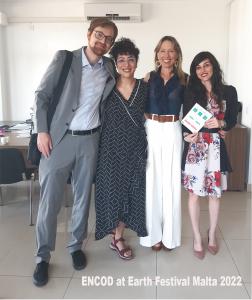
In the picture from left to right:
Dr Fabian Steinmetz, ENCOD, Schildower Kreis, LEAP Germany, Delphic HSE
Dr Giulia Zampini, senior lecturer University of Greenwich and founder of People and Dancefloors project.
Ms Mariella Dimech, Chairperson of the Authority for the Responsible Use of Cannabis.
Ms Karen Mamo, researcher and promoter of Harm Reduction in Malta, and member of ENCOD since 2019.


IMG_20220630_172249~2111

Germany’s Changing Drug Policy: Current Challenges and Future Potential

ENCOD regularly publishes articles in the Cannadouro Magazine from Portugal.

Here’s the last summer edition published in the Portuguese language with the English version below.

In late 2021, the new German government announced its plans to legalize recreational cannabis: A milestone in European drug policy. Legalisation will control quality, increase youth protection, and stop the spread of contaminated cannabis. The announcement was followed by enthusiasm, not only in Germany but all over Europe and the world. So far though, the police are continuing to arrest and abuse people for cannabis possession, the black market is thriving, and cannabis activists are taking to the streets demanding action. So, what is happening?

German drug policy is at a fundamental turning point in time, not only regarding Cannabis. As the most populated state in Europe, German cannabis policy will significantly influence European and global policy. As EU law dictates adherence to the international drug conventions, Germany´s way of dealing with the 1961 Single Convention and the international drug policy bodies CND (Commission on Narcotic Drugs) and INCB (International Narcotics Control Board) will be key. However, with the new government comes a new Drug Czar: Burkhard Blienert. His position was so deliberately neglected by the former governments, his two predecessors most notable achievements were meme-worthy interviews and providing the legalization movement with new slang words for cannabis. In comparison, Blienert has been an advocate for decriminalisation, legalisation, and harm reduction inside his own, sometimes reluctant, party and will be the first drug Czar to speak at the annual Hemp Parade, the biggest pro-cannabis legalization demonstration in Germany. Just the announcement that Blienert was going to be the new Drug Czar sparked excitement amongst people involved in harm reduction as well: “Now the office (of Drug Czar) is occupied by a person with drug and health-related knowledge who is using this foundation towards a more humane drug policy…” says Dirk Schäffer, a representative of the Deutsche Aidshilfe (German Aids help). As of now, the German minister of health, Karl Lauterbach, has announced that a cannabis legalization law will be drafted in the second half of the year. There are no specific details yet, just that cannabis is supposed to be sold in specialized shops and that national and international experts will be involved in the process. One of the more important questions, whether growing cannabis at home will be legal, has not been answered yet, with politicians from the Liberal and Green party proclaiming to be in favour of growing at home while the Social Democrats seem to be hesitant.

But progress isn’t only happening regarding cannabis. The Psychedelic Renaissance has arrived in full force in Germany and even the state is getting involved. Several psychedelic society groups have popped up in places like Berlin, Leipzig and Hamburg, promoting topics around psychedelic substances. But the most notable psychedelic project happening in Germany right now is the EPIsoDE-study, a clinical stage II trial researching psilocybin for therapy-resistant depression. The study is done by several research organizations, among them the prestigious Charité university hospital in Berlin. While still being officially banned by governments around the world, the German Federal Ministry of Education and Research finances the study with almost 2.3 million Euros in total, citing the potential of psychedelics for mental health issues. Results are expected to come out in 2024/2025 and could lay the groundwork for further research into psychedelic compounds in Germany.

And lastly, it was announced that harm reduction services will be expanded. While being considered progressive at the international level, on the ground harm reduction programs have struggled during the last years. In his first international speech, Blienert made several comments about these issues, promising a more effective and humane approach focusing on harm reduction, prevention, and treatment. A notable new development is the government’s decision to introduce drug checking services. Again, no details have been published, but after several German states and municipalities tried to introduce them and failed at the federal level, a federally supported drug checking program sparks high hopes in the German harm reduction community.

Cannabis legalization, psychedelic research, drug checking and a Drug Czar actually qualified for his position: German drug policy could be in for a fundamental change in the coming years.

By Nils Biedermann, ENCOD

Just Coca webinar 2022

2 days | 4 workshops

The two-day event (with interpretation in English and Spanish) features 20+ international, multidisciplinary speakers: scientific experts, users, entrepreneurs, drug reform advocates and policy makers providing testimonials, keynote lectures, panel & round table discussions, and plenty of Q&A opportunities for interaction with the audience.

Just Coca | Solo Coca | 18–19 May 2022

Day 1 Introduction https://youtu.be/W46AI1-ZeUU

Day 1 part 1/3  https://youtu.be/kbDkSqD9um4

Day 1 part 2/3  https://youtu.be/WTRtNwyrHqk

Day 1 part 3/3  https://youtu.be/qZLnYKxdv7U

WATCH on YouTube!


Screenshot at 2022-06-19 11-08-17

Farmability and pharmability

Our team has published a paper on the farmability / pharmability potential of different drug categories. We argue that certain drug categories can be regulated with a self-supply model. To find out more see below.

Farmability and pharmability: Transforming the drug market to a health-and human rights-centred approach from self-cultivation to safe supply of controlled substances

Authors

Fabian Pitter Steinmetz, Maja Kohek

Published

May 3, 2022

Background

The supply chains addressing the global demand for major recreational drugs are hardly addressed due to international contracts, particularly the UN Single Convention on Narcotic Drugs. Currently applied regulatory changes have several disadvantages ranging from political tensions to the neglect of ecological aspects. The aim of this study is to show some implications associated with a transformation of the recreational drug market that is focused on self-supply of different categories of drugs. The concepts of “farmability”, the feasibility to cultivate relevant plants and fungi, and “pharmability”, the feasibility to refine materials to drugs by chemical synthesis, purification etc., are addressed.

Methods

68 drug experts were invited to fill out an online survey on the feasibility of self-supply of different categories of drugs. The online survey was a five-point Likert scale and had seven questions.

Results

26 experts (38.2%) responded to the online questionnaire. Cannabinoids were considered easy to cultivate/manufacture, depressants and psychedelics were ranked with moderate difficulty, opioids and stimulants were regarded as difficult to cultivate/manufacture, and empathogens/entactogens and dissociatives were ranked very difficult. The study found that some controlled substances, in particular cannabis, could be decriminalised without the need for a commercial market. However, some drug categories, such as dissociatives and empathogens/entactogens, would require the establishment of professional manufacturers. Psychedelics and depressants are ranked in between.

Conclusion

Different drugs are associated with different cultivation and/or manufacturing steps with contrasting difficulty levels. Those differences are likely to shape use prevalence to more accessible and safer drug markets which also decrease the involvement of organised crime groups. Hence, when decriminalising the possession of drugs for personal use, it is therefore recommended to allow also for personal cultivation or cultivation within social clubs. This is particularly relevant for drugs with moderate to high farmability but also if pharmability is sufficiently high.

This research was published in the Drug Science, Policy and Law Journal.

The full report of this research is available at: https://journals.sagepub.com/doi/full/10.1177/20503245221097797 


fernanda-de-la-figuera-award

Fernanda de la Figuera passed away last weekend

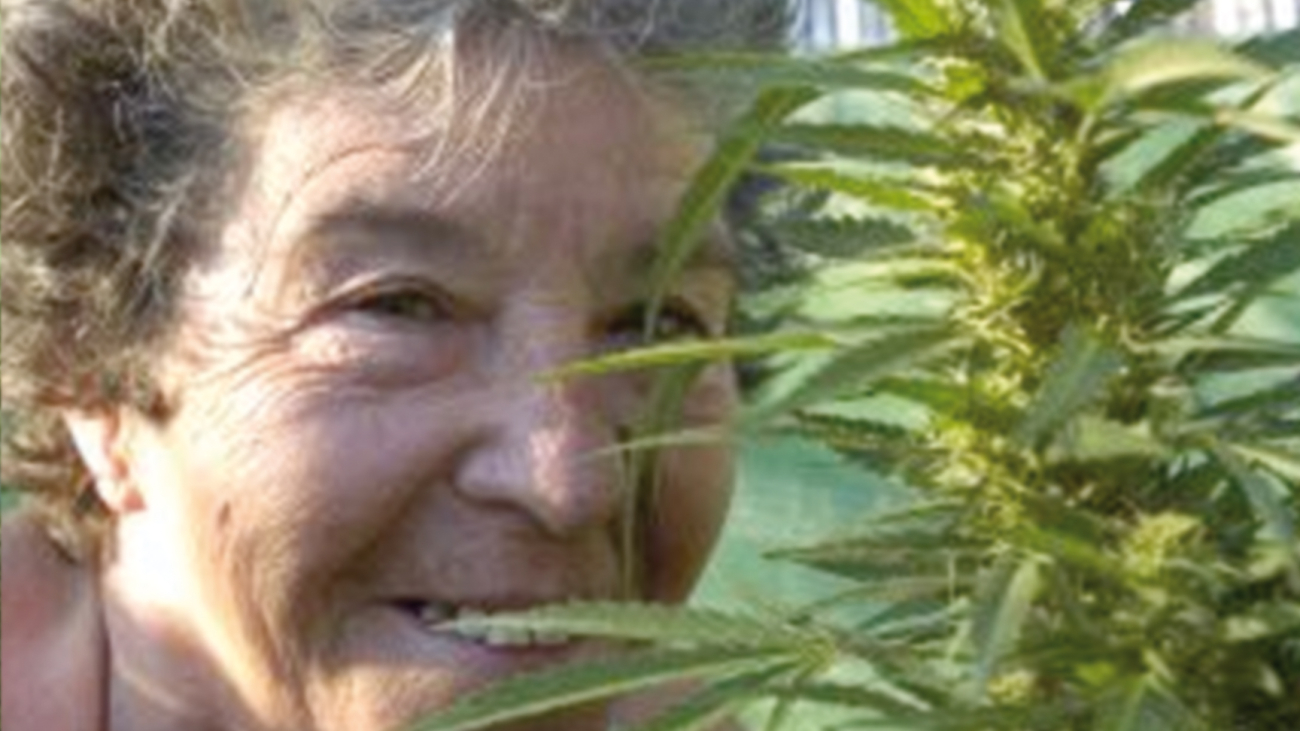
Fernanda de la Figuera passed away last weekend. She was known as the Spanish Marijuana Grandmother amongst the activists. Fernanda was a referent for any issue on cannabis in Spain, having a long career since 1973 when she became a home grower. In 1996, she launched ARSECA (Asociación Ramón Santos de Estudios sobre Cannabis de Andalucía), a cannabis association of the first wave.

She was co-founder of the Cannabis Party in Valencia and FAC (Spanish CSC Federation) in the early 2000s. Later, she collaborated with the European Coalition for Just and Effective Drug Policies (ENCOD) in Spain. In recent times, she founded Marias X Maria, a Cannabis Social Club run by women in Málaga, and the president of the Cannabis Party Green Light.

There leaves one of the most beloved activists in Spain, a tireless woman who demonstrated every day of her life that another kind of mind is possible with cannabis and that we have not to give up. Keep lighting our way from wherever you are!

National_Flag_of_Malta_colour_jpeg+-

The Malta hush CBD witch hunt

Malta has been heralded by international experts in drug policy for the recent changes to the law criminalizing cannabis and the establishment of not-for-profit cannabis associations. In fact, the new provisions of the law, establish that cannabinoids under 0.2% THC are outside the scope of national legislation pertaining to the control of narcotic and psychotropic drugs. This change moved Maltese legislation closer to regional and international developments related to cannabis, particularly the distinction between cannabis which produces mind-altering effects, and therefore falling under the UN Drug Control Conventions of 1961, 1971, and 1988, and Hemp or CBD dominant strains, the latter having no mind-altering effects and therefore no potential for abuse. CBD products, including oils and flowers, have been widely available within the European single market. It is therefore natural for Maltese consumers to earnestly enjoy equal rights and full access to the European Union Single market of Hemp, CBD flowers and other products.

Nonetheless, recent media reports, and information gathered by grassroots organisations, reflect a somewhat distorted reality unfolding on the ground. It seems a majestic Viennese Waltz is being coordinated between people at the customs department and law enforcement. The dance quickly turns into a fast-paced tango when police officers come marching down the street, knock on peoples’ doors, raid their homes, and arrest them to investigate further the terrible crime of obtaining a ‘novel food product’ from recognized EU retailers and through legitimate and transparent monetary transactions.

The most clamorous case was that of a respected family doctor with a specialization in pain medication, arrested and detained on cannabis trafficking charges. This doctor’s only crime was that of obtaining CBD dominant flowers with a lower content of 0.2% THC, bought within the EU and sold according to national legislation. Other cases not making it to the media include people ordering CBD oil or flowers in very small quantities from recognized European Union companies.

This newfound witch hunt for hemp and CBD is unfolding in a parallel fashion while local pharmacies have just recently obtained licensing to import GMP certified and controlled CBD products. All this is also taking place while the Authority for the Responsible Use of Cannabis is discussing regulation pertaining to cannabis associations and a high-level conference about psychedelic medicine is taking place just this week.

Could this be a coincidence? Maybe it is, or maybe it is not.

Before you reach a conclusion, it is important to look at what international and regional legislation about Hemp and CBD states.

When looking at Chapter 101 Dangerous Drugs Ordinance, amended recently in 2021, the law states that:

“Cannabis” means the inflorescence and leaves of any plant of the genus Cannabis and includes any resin obtained from the said plant and any preparations derived from the said plant, but does not include its seeds, or cannabinoid products containing not more than zero point two (0.2) percent of tetrahydrocannabinol (THC).   

The novel amendment included new terminology to replace the archaic and non-scientific term Indian Hemp, and to also differentiate between THC dominant Cannabis strains which are psychoactive, and other types of cannabis (with less than 0.2%THC) which have no psychoactive effect, and hence are outside of the scope of regulation.

Hemp is a crop grown across Europe and in recent years the area dedicated to hemp cultivation has increased significantly from 19,970 hectares (ha) in 2015 to 34,960 ha in 2019 (a 75% increase). In the same period, the production of hemp increased from 94,120 tonnes to 152,820 tonnes (a 62.4% increase). France is the largest producer, accounting for more than 70% of EU production, followed by the Netherlands (10%) and Austria (4%).

Hemp (Cannabis sativa Linn) is a species in the Cannabaceae family in which the level of tetrahydrocannabinol (THC) is very low, according to the provisions under the common agricultural policy (CAP). Hemp is grown primarily for its industrial uses and there are 75 different hemp varieties registered in the EU catalogue. Due to the very low level of THC, hemp complying with the provisions of the CAP is not used to produce narcotic drugs.

In accordance with Article 189 of EU Regulation 1308/2013, all imports of hemp are currently subject to an import licence requirement, and;

    1. The following products may be imported into the Union only if the following conditions are met:
(a) raw true hemp falling within CN code 5302 10 00 meeting the conditions laid down in Article 32(6) and in Article 35(3) of Regulation (EU) No 1307/2013;
(b) seeds of varieties of hemp falling within CN code ex 1207 99 20 for sowing accompanied by proof that the tetrahydrocannabinol level of the variety concerned does not exceed that fixed in accordance with Article 32(6) and in Article 35(3) of Regulation (EU) No 1307/2013;
(c) hemp seeds other than for sowing, falling within CN code 1207 99 91 and imported only by importers authorised by the Member State in order to ensure that such seeds are not intended for sowing.
  1. This Article shall apply without prejudice to more restrictive rules adopted by the Member States in compliance with the TFEU and the obligations under the WTO Agreement on Agriculture.

There are multiple uses of hemp, including cosmetics (oils, lotions, shampoos, etc.) and energy production (biofuels). There is also interest in the production and marketing of cannabidiol (CBD), a substance present in the hemp plant, due to its multiple uses in cosmetics, health and food. In November 2020, the Court of Justice of the European Union determined that the marketing of legally produced CBD is permitted under EU law.

On 3 December 2020, the EU Commission’s spokesman for public health and food safety Stefan de Keersmaecker declared that on CBD the Commission has taken into account the recent decision of the European Court of Justice, and on that basis, it has reviewed its preliminary assessment and concluded that cannabidiol should not be considered a drug within the meaning of the United Nation Conventions.

In the same year, the notification from the World Health Organization concerning cannabis and cannabis-related substances to the Reconvened sixty-third session of the Commission on Narcotic Drugs provided recommendations for a rescheduling of cannabis. The WHO explained that Cannabis and cannabis resin are included in Schedule I and Schedule IV of the 1961 Convention. Substances that are included in both these Schedules are particularly liable to abuse and produce ill effects and have little or no therapeutic use. Other substances that are included in both Schedules I and IV are fentanyl analogues, heroin and other opioids that are considered especially dangerous. The use of all these substances is associated with a significant risk of death, whereas cannabis use is not associated with such risk.

The evidence presented to the WHO Expert Committee did not indicate that the cannabis plant and cannabis resin were particularly liable to produce ill-effects similar to the effects of the other substances in Schedule IV of the 1961 Convention. In addition, preparations of cannabis have shown therapeutic potential for the treatment of pain and other medical conditions, such as epilepsy and spasticity associated with multiple sclerosis. In line with the above, cannabis and cannabis resin should be scheduled at a level of control that will prevent harm caused by cannabis use and at the same time will not act as a barrier to access and to research and development of cannabis-related preparations for medical use. The Committee concluded that the inclusion of cannabis and cannabis resin in Schedule IV is not consistent with the criteria for a drug to be placed in Schedule IV.

The WHO explained that CBD is found in cannabis and cannabis resin but does not have psychoactive properties and has no potential for abuse and no potential to produce dependence. Furthermore, CBD does not have significant ill-effects and has been shown to be effective in the management of certain treatment-resistant, childhood-onset epilepsy disorders. It was approved for this use in the United States of America in 2018 and is currently under consideration for approval by the European Union. The Expert Committee on Drug Dependence considered a critical review of CBD and recommended that preparations considered to be pure CBD should not be scheduled within the international drug control conventions

“Preparations containing predominantly cannabidiol and not more than 0.2 per cent of delta-9-tetrahydrocannabinol are not under international control”. 

In summary, CBD has no potential for abuse, is allowed within the EU, and has been identified in Maltese legislation as being separate from cannabis with a higher THC content of 0.2%.

Yet, we observe this hushed CBD witch hunt, and potentially lurking pharmaceutical interests seeping into and trying to dominate CBD availability in Malta.

We will let you decide what is going on. In the meantime, people continue to have their lives suspended and trampled on by a draconian interpretation and implementation of the law, and a complete mismatch between human rights and an evidence-based approach to drug policy.

By ENCOD

Contact us at: office(a)encod.org

signal-2022-03-11-205507_001

More delays for the Dutch cannabis experiment

The Dutch government’s announcement of more delays for the cannabis experiment has led to sharp criticism from mayors of the cities that are taking part. Paul Depla, mayor of Breda said: ‘Perhaps we should just move directly to legalization given the number of countries which do now have experience of legalized marijuana cultivation.’

The two responsible ministers for the experiment, health minister Ernst Kuipers and justice minister Dilan Yeşilgöz, sent a four-page letter to Parliament on March 30, outlining the lack of progress and the problems the designated licensed producers are dealing with. These problems include not being able to get a bank account and trouble finding a location without the local government or city council panicking.

To make things even more complicated: the new government, appointed last January, has decided to add one big city to the ten cities taking part in the experiment. But they haven’t succeeded in finding that eleventh city yet. And they are still working on formulating the criteria for the assessment of the outcome of the experiment.

The result of all this: the first experimental weed will not be sold in the coffeeshops of the participating cities in 2020, as was initially planned. Nor will it be available in the second half of this year, as was the adjusted plan. The government now estimates the arrival of the regulated weed in the second quarter of 2023. ‘The road to the start of the experiment turns out to be bumpy’, the responsible ministers write.

The new delays were sharply criticized by the mayors of two participating cities. Tilburg mayor Theo Weterings told Dutch news agency ANP: ‘More delays… how much more can you delay? We expect that some members of parliaments will now scratch their heads and ask what’s happening here?’

His colleague from Breda, Paul Depla, told ANP: ‘It’s clear that everyone who supports the weed experiment is disappointed. Perhaps we should just move directly to legalization given the number of countries which do now have experience of legalized cannabis cultivation.’ A great idea, indeed. Especially if that legalization includes home growing, which remains illegal in the Netherlands, with the repressive laws resulting in hundreds of evictions every year.


Links:
Letter by ministers Kuipers and Yesilgöz (in Dutch):
https://www.rijksoverheid.nl/onderwerpen/experiment-gesloten-coffeeshopketen-wietexperiment/documenten/kamerstukken/2022/03/30/kamerbrief-over-het-experiment-gesloten-coffeeshopketen
ANP article (in Dutch):
https://www.binnenlandsbestuur.nl/bestuur-en-organisatie/begin-van-proef-met-legaal-gekweekte-wiet-opnieuw-uitgesteld
Dutch recreational cannabis production pilot beset by delays, MjBizdaily:
https://mjbizdaily.com/dutch-recreational-cannabis-production-pilot-beset-by-delays/

By Derrick Bergman, Dutch Encod member, chairman of VOC (Union for the abolition of cannabis prohibition), cannabis journalist


IMG_20220630_172234-11

Europe is awaking and baking

ENCOD regularly publishes articles in the Cannadouro Magazine from Portugal.

Here’s the last spring edition published in the Portuguese language with the English version below.


In the past year, we witnessed important developments in cannabis policy in Europe. Discussions on recreational use of cannabis are getting louder across Europe and important steps have been taken by some countries to address the status quo in drug policy.

In Spain, particularly in Catalonia, the recreational use of cannabis is tolerated for many years. The Cannabis Social Club (CSC) model is already relatively well established, however, it is still not regulated. In the past year, several topics have been addressed on a national level such as medicinal cannabis, the economic impact of regulation, accessibility of cannabis, and a debate on cannabis regulation for recreational purposes entered the Spanish parliament. Three bills for comprehensive regulation of cannabis had been registered by three parties: the pro-Catalan independence, social-democratic Esquerra Republicana de Catalunya, the left-wing Más País, and the democratic socialist electoral alliance Unidas Podemos. The latter was the most ambitious one, but it is still unsure how Spanish cannabis policies will develop in the future since all of the proposed bills received criticism not only from the opposition but also from those in favour of regulation. Many issues remain open, particularly those related to the inclusion of the civil society and vulnerable groups in the discussion, an appropriate representation of public and private sectors involved, and developing public policies that are based on evidence. These are challenges that not only the Spanish authorities are facing but apply to drug policy reform in general.

Germany also made headlines in autumn 2021 after the newly elected coalition of social democrats (SPD), Greens, and free democrats (FDP) agreed on the coalition agreement, which included cannabis regulation. They are in favour of decriminalisation, licensed shops and a ban on

the advertisement. There are many milestones to be taken before the first gram of cannabis is sold legally for recreational purposes but such a plan is already a major milestone on its own. Perhaps the estimation of 4.7 billion € tax income/savings per year calculated by a German economics institute analysing the effects of cannabis legalisation helped persuade the former finance minister and new chancellor. Germany paving the way towards a regulated market might very well serve as an example for other countries to follow.

Before Germany’s new coalition announced legalisation, Luxembourg’s similar coalition, consisting of (liberal-)democrats DP, socialists LSAP and the Greens, agreed on legalisation but only delivered decriminalisation: while possession of up to 3 grams leads only to a fine, there is now tolerance for self-cultivation up to 4 plants.

Probably the most decisive step towards a regulated cannabis market for recreational purposes was taken by the Maltese government. In March 2021, a White Paper was published that opened a substantial public discussion on the regulatory approach. Domestic and international experts and civil society have been participating in the discussions. In December, a law was passed that decriminalizes the possession of 7 grams of cannabis without any criminal or administrative repercussions; allows the cultivation of up to four plants per household; enables the establishment of cannabis associations (with up to 500 members) supplying cannabis and seeds to their members; and enables the expunction of criminal records. Although the Maltese approach is socially and non-profit oriented, it still presents issues, such as the sharing of cannabis, which is not specifically defined. The year 2022 will be a pivotal year for cannabis reform in Malta.

Public discussions on cannabis reform are becoming the “new normal” in Europe. Any advances towards regulation, however minor they might be, are better than the status quo maintained for over half a century. It is time to replace ignorance with knowledge, and take firm steps toward cannabis policies based on social equity, transparency, inclusion, effectiveness, and sustainability. Each step in this direction is a step in the right direction. Help us to walk this path – support ENCOD!

By Maja Kohek, ENCOD