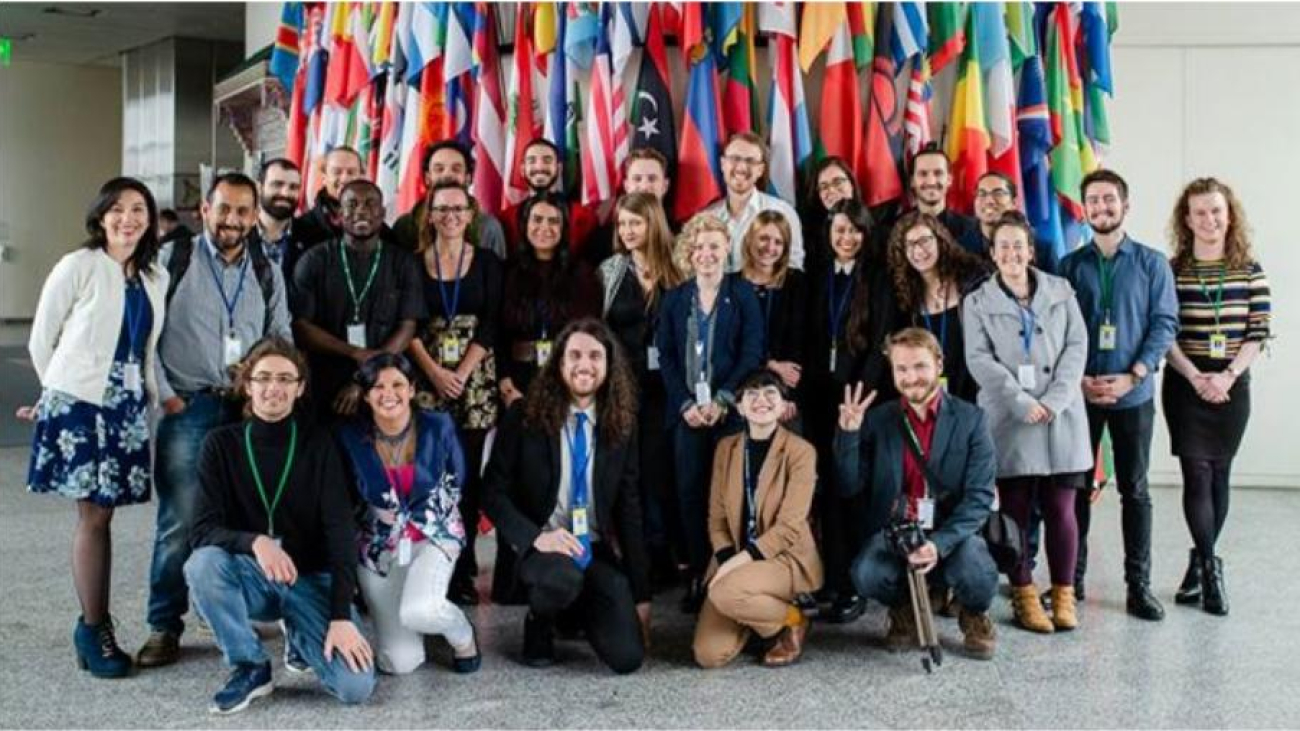
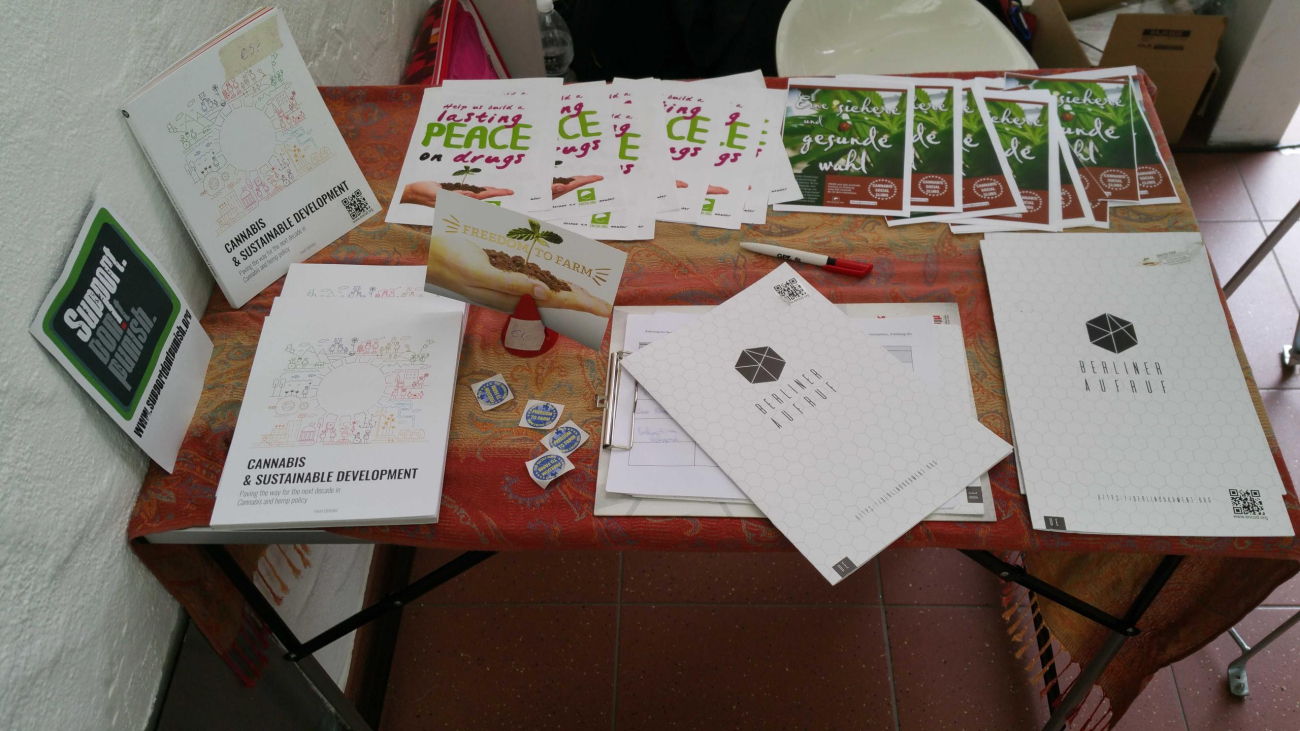
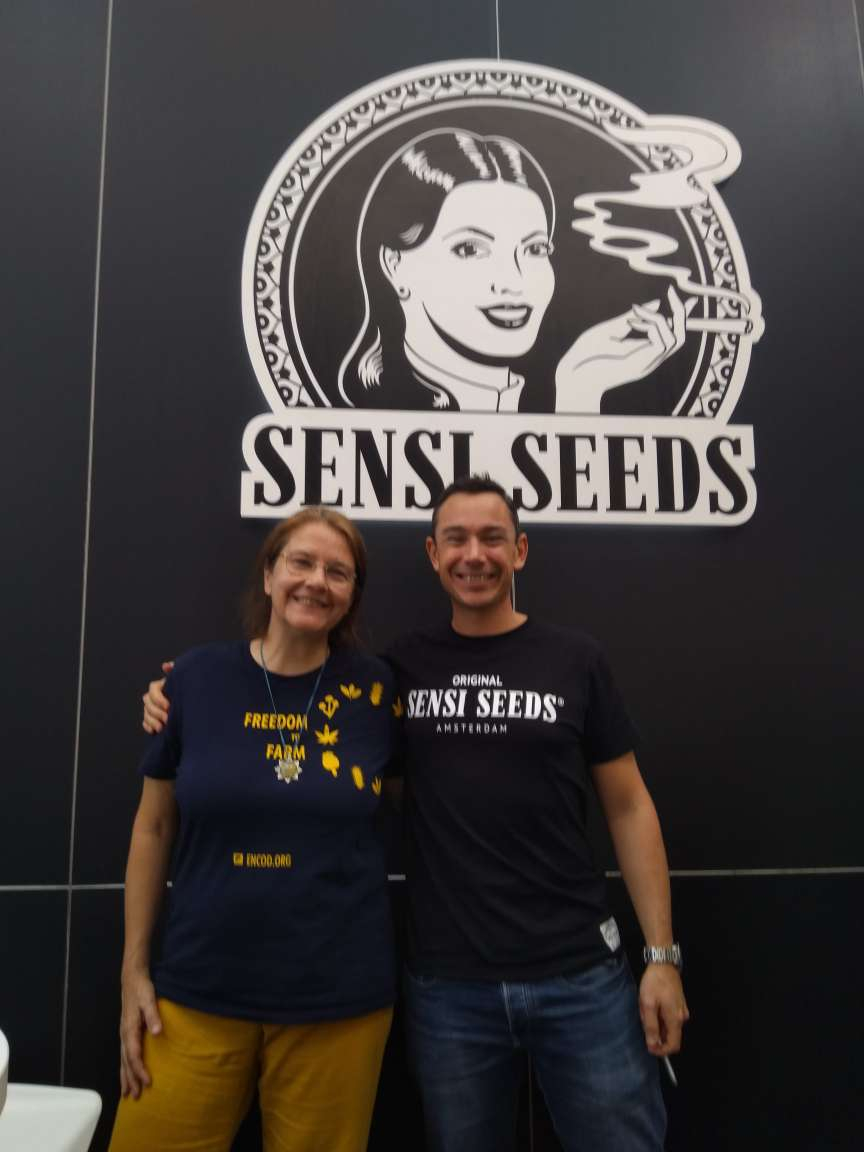
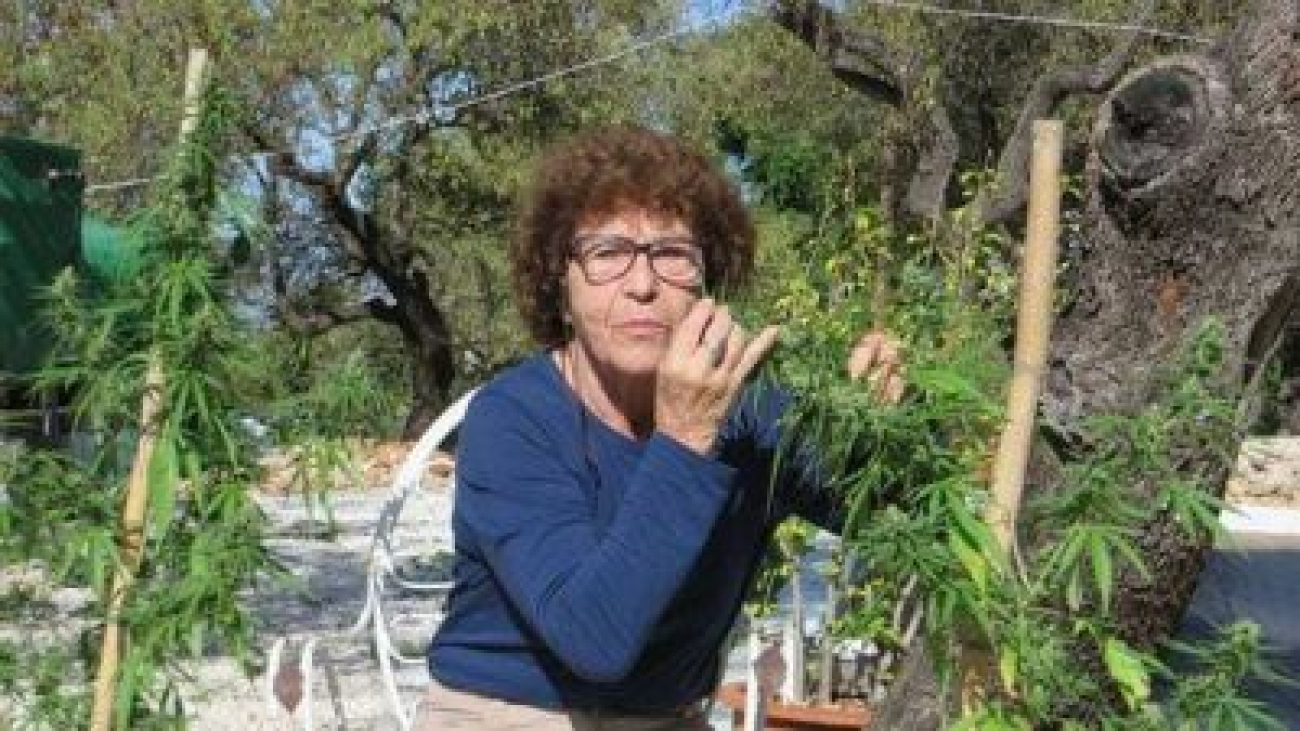
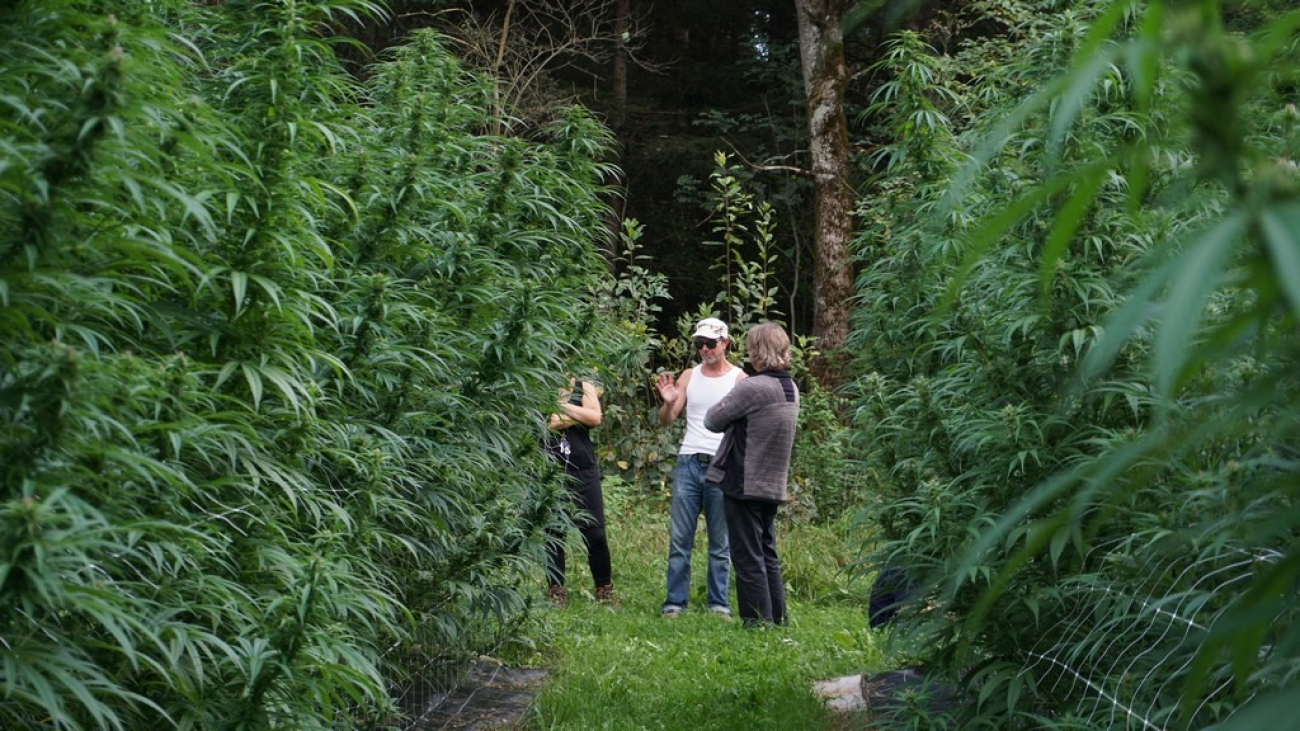
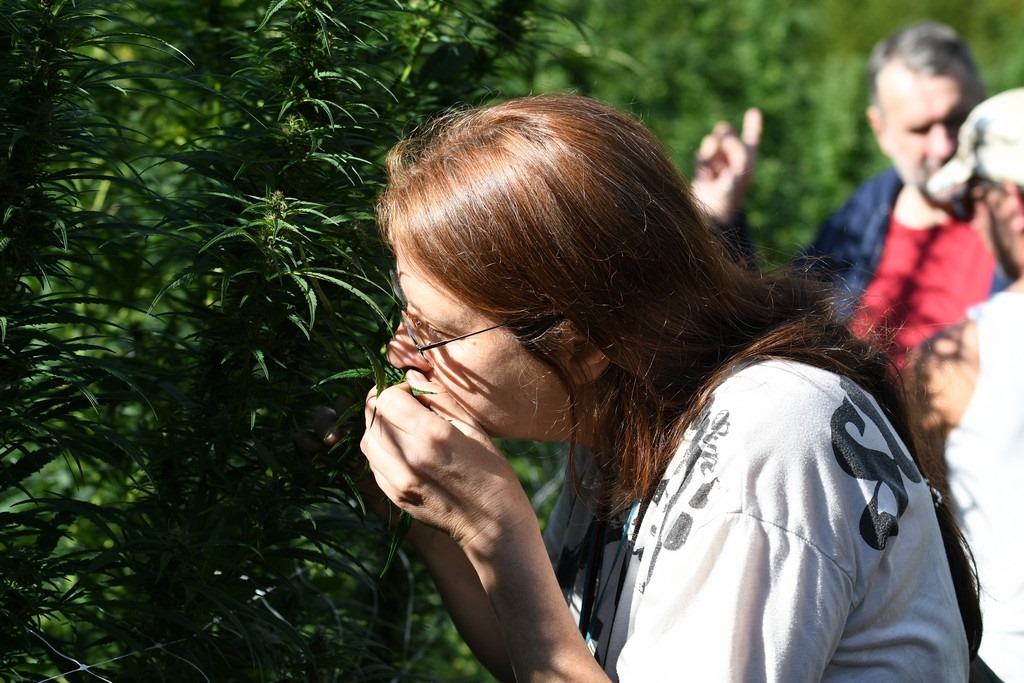
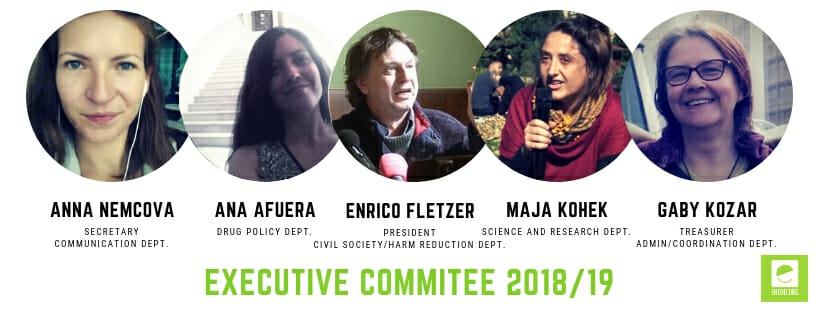
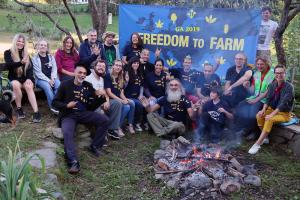
This year ENCOD’s General Assembly was held in Austria, Carinthia, Liebenfels, from 13th-15th September 2019. 23 ENCOD members from 10 European countries attended the assembly and elected 1 new member to complete the EC, as one member from last year’s GA dropped out. We proudly announce that our Executive Committee is complete till 2020.
Friday
On Friday the narrative and financial reports have been presented by the EC members. The treasurer was discharged for the financial report.
Enrico was active in networking on the international level and in collaboration with Knowmad Institute.
Maja was absent for most of the year due to fieldwork she was conducting in Catalonia for her PhD about the ritual use of psychoactive plants. She also collaborated on a study about regular use of ayahuasca from the perspective of public health. The paper was published in 2019 in the Journal of Psychoactive drugs. She also participated at the third World Ayahuasca Conference in Girona and the Ibogaine forum in Porto, Portugal. More ibogaine forums have been planned in 2019, but were not carried out due to lack of funding.
Ana was focused on the European and international level of drug policy since the last GA. She lead the project “Be the voice”, talked to representatives in the UN and to several MPs about medicinal cannabis. She was also advising political parties in different countries such as Czech Republic, Portugal, and Italy. She was networking with think-tanks, universities, ICEERS and others to create a regulation proposal for Europe. Ana initiated a survey, which results will be used to for the discussion and the creation of the new European drug plan.
Besides taking care of accounting of the organization, Gaby was active at fairs in Austria, Czech Republic and Italy, and helped in the organization of the International cannabis policy conference as well as the Marihuana March in Vienna. She is also active in the CSC initiatives in Austria, is in contact with medical professionals and political representatives in the country. Due to her activity, Encod is considered as a consultant organization about legalization discussions in the country. She was also leading a parliamentary citizen initiative and collected over 500 signatures for legalization of cannabis so far. The initiative is going to be presented to the government in the near future, since there have been elections on the 29th of September. Another project about analytics of cannabis grown by small growers / individuals was initiated and is currently in fund-raising phase.
The question was raised why there were almost no bulletins published in the last year? Since the last GA the EC member responsible for communication was not fulfilling the duties and eventually resigned from the position. That’s partially the reason for a failed bulletin communication besides IT issues.
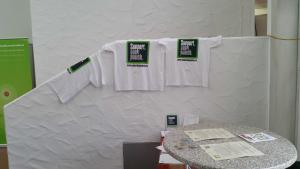
Farid reported on the activities done at the last UN CND meeting in Vienna. There were troubles with UN security because of dress code (the “Freedom to Farm” T shirts were seen as inappropriate propaganda). Two demonstrations took place: one silent demonstration which ended with 4 times shouting “no more killings” to target the Philippine booth and another demo “Support Don’t Punish” was organized to take a group picture with the UN flags behind the demonstrators. Some people were arrested because they took photos and one TNI representative was expelled from UN buildings and forbidden to enter the next day.
Country reports
Italy
Enrico was talking about the situation in Italy. Legalization made everything worse. Cannabis is allowed, but still complicated to access for patients. 50.000 people proposed full legalization, there were MMM organized: about 5000 in Rome, in Pisa up to 10000 people. The events were surrounded by the police.

France
Farid was updating on the situation in France. In 2017 we thought that Macron would reform, but we are very disappointed even if we can note some progress. The law was lowered in theory by the implementation of fines (200 euros) and prosecutions remain. In 2018, a scientific committee was established to inquire about medical cannabis and issued recommendations about the access to cannabis as medicine to the French Health minister. It is not sure if it will really be a progress as there is still doubt if cultivation and production of cannabis will ensure cannabis medicine to be available. In theory, about 4 million people could get a prescription, but they’ll have to accept to enter a scientific research program where they’ll have to be regularly screened. In 2019, a group of MPs launched an inquiry mission about all usages of cannabis (industrial, textile, building, even to make road), but still a large part of the French agencies engaged in policy reforms are claiming the the main target is to legalize, and make it regulated by the market. Two major conferences were organized since January 2019: one by “Cannabis Europa”, gathering more than 300 people and investors from all over the world in La Maison de la Chimie in Paris. The second conference entitled “Cannabis Business France”, where a lot of French growers / farmers / entrepreneurs that are interested to enter into this business were present, and even big pharma company Sanofi was taking part. Encod members, like Cannabis Sans Frontières and Norml France joined the efforts and organized the Million Marijuana March, re-branded with a very simple French name “Cannaparade” in Paris. About 3000 peoples were occupying the streets, as well as the Yellow jackets which were joining at the end of the demo, while the green jackets joined from the start in Bastille place. Since spring 2018, in all cities CBD shops are popping up, and sometimes closed by the police. It depends on the local officers who are trying to implement general guidelines issued last July by the government. Still some shops are opening, while some were closed and their owners prosecuted. It’s quite a big mess. Last but not least, sometimes courts are releasing them, and one court in Bordeaux declared that the government’s guidelines were “irrelevant”. Next year, spring 2020 there will be local elections for city hall. We’re working on a proposal to build a Cannabis Municipal Club (Cannabis Local Club).

Czech Republic
Radek talked about Czech Republic, where the situation is not changing. The Pirate party has put a proposal to the parliament. Maybe someday it will be discussed in the parliament, but nobody knows when it’s going to happen. Concerning medical cannabis, it is being imported from the Netherlands, Canada, and also produced in Czech Republic, but the price is too high. If the insurance company would pay around 20% it would be fine. Concerning industrial hemp, a lot of farmers had problems because more than 0,2% of THC was found in the plants. There are also issues connected to driving and cannabis use.

Germany
Ingrid presented the situation in Germany. In the last year there was a movement. But the situation is still complicated, there are many challenges. Patients get no money from the insurance for cannabis. They need a permission letter to get medical cannabis. There is still an ongoing debate in the parliament. An initiative wants to go to the supreme / constitutional court to get permission for using medical cannabis. Judge Müller (LEAP) is one of the persons who helped start this campaign. The price of cannabis is 20€ / g which is too expensive for patients. For private prescription it’s cheaper to go to the black market. Next year the use of medical cannabis should be allowed, but produced only from Canadian companies. There were cases where the cannabis received by a pharmacy was moldy and very bad quality. According to the law in Germany it would be possible to apply for a social club model, but there is none currently. There is also a discussion on legalization of all drugs in Germany.

Austria
Manuel was representing Austria and pointed out the importance to separate the policy towards THC and CBD. Austria wants to prohibit the selling of seeds and clones which would ruin peoples enterprises. CBD is legal to smoke up to 0,3%THC. If you grow it you are still a criminal. luxperpetua commented on one case in Austria who had aids and was allowed to grow for personal use. The second case is Martin Winkler who cured himself of cancer with Rick Simpson oil, he didn’t have any problems with the law and was monitored by a medical doctor. Concerning other substances, ayahuasca treatments are unofficially existing in Austria. Substitution programs are run in a “liquid handcuffs” way, the quality of heroin is bad and substitutes medicaments are being injected. In the afternoon there was more talk about the social clubs/cannabis medicinal clubs in Austria to serve as a model for Europe.

Malta
Karen came from Malta, where cannabis was an illegal substance since the 60s. A shift was in 2010, when a movement questioning drug policy developed. A change in the law followed in 2015, which brought treatment instead of imprisonment and the decriminalization of small amounts (3,5g for cannabis). Medical cannabis was legalized in 2017. In 2018 Bedrocan was sold in the country. You need a recommendation by a medical doctor to start a cannabis treatment. There is one doctor currently prescribing medical cannabis and there are some 200 registered patients. On a national level personal use is being discussed, but not recreational use. There is also a growing harm reduction discussion on cannabis. Malta has high prices for a gram of cannabis (from 20-25€ / g; or less but very poor quality). The government is proposing education and activities to engage kids in sport and other activities that would keep them away from drugs. “Releaf Malta” is an organization that is pushing for regulation and change of cannabis policy, and trying to bring in an evidence based approach. Safe injection rooms are unexisting, but there is substitution therapy. There is someone organizing ayahuasca ceremonies, but LSD and mushrooms are more popular.

Slovenia
Maja gave a report on Slovenia, where not much new is happening. Concerning medical cannabis the most interest is in cancer and epilepsy treatments. All other illegal substances are not being discusses in terms of legalization / regulation. There is some ayahuasca use and some psychedelics use in the country. An unknown substance known under the name “Indian tobacco” is on the black market currently, and a pharmaceutical drug is used recreationally. Growing is still illegal, even for one plant you can get into trouble. Hemp can be grown, but it’s unclear what it means for CBD products, which are sold even at gas stations (for example a tea imported from Switzerland – 10€ for two tea bags).

Estonia
Jana came from Estonia, which is a small country in terms of population. A lot of cannabis comes from Amsterdam. There is only talk about cannabis, nothing about the other drugs. Amphetamine and cocaine are also popular. The prime minister is conservative and it is difficult to start discussion on cannabis when the country is right oriented. The limit for THC is 0,2%. First shop opened this year. It is illegal to smoke it. Medical use is possible, but there is no program. You have to go to Finland or other countries to get Sativex or something similar from a pharmacy. The prices on the black market are high (20€ / g). For a personal grow you go directly to jail. If you grow as an organization you get a fine. It is hard to get into the discussion as an NGO or media because everything is happening on a high medical level.

Spain
Ana was talking about the situation in Spain where there is a massive movement of CSCs, safety consumption rooms in Barcelona are regulated since 1980’s, but if you enter into the methadone program you lose your social rights. There is also an initiative on coca leaf and cocaine. There is an association for mushrooms where it is possible to take psilocybin in microdosis. Concerning cannabis, public use is not allowed, it is fined from 600€ – 10.000€. Patients get the fine and then you can make an appeal to the administrative instance. For trafficking you can get 6 years of prison. It is sure that cannabis is going to be completely legalized, but nobody knows when. There were 3 cases of CSCs going to the supreme court. They were not found guilty, but were also not allowed to operate anymore. The strong point is the social movement – the government would need to put 45.000 people in jail to destroy the CSC movement. The party “Podemos” is in favor of the regulation of the CSCs. They have competencies and majority in the government and open to debate about the CSC movement. In Madrid there was a big MMM manifestation.

Belgium
Kris made a report on Belgium, where there is some kind of “potpourri”. Some medical doctors are prescribing Sativex, but it is very expensive. Cannabis is being medicalized. In the court case of TUP, several people of the CSC have been found guilty, but went into appeal.

Internal affairs I.
Gaby shared the issues the EC encountered regarding some new members. Anicka stopped working as the secretary and communication manager because she was difficult to reach and talk about it. An agreement was presented to pass her duties to Manuel. However, she still wanted to represent Encod when talking to political parties in Czech Republic. She was dismissed due to her inactivity in Encod. Therefore, we had to elect a secretary and communication manager in this GA. We also opened a position for one additional EC member to replace Anicka. There were some updates also on the internal invoicing rules and a template has been created for EC members to fill out in order to get a refund of costs.
The candidates for the open positions have been presented:
Farid, the candidate for the EC member. He joined ENCOD 1999, and chaired ENCOD from 2004 to 2006. He is mostly active in international drug policy arena and co-founded FAAAT. At the national level, in 2009 he founded Cannabis Sans Frontières (Cannabis Without Borders), a political party running for elections in France. He was 10 times attending annual CND meeting during the last 15 years, and recently closely following the Scheduling issues regarding Cannabis at WHO on Geneva.
luxperpetua, the candidate for the communication manager. He has knowledge on strategies on social media. He also has graphic designer competences. He is working full time as a German teacher and is fluent in German, Polish and English.
Maja, the candidate for secretary. She’s part of the EC for several years and can fulfill the tasks of the secretary because she’s familiar with the work and the organization. She also speaks several languages.
Presentation of a local initiative
In the evening a representative of ARGE CANNA, Gerry Düregger, came to present the work of the NGO and share with us their vision of decriminalization of production and possession of cannabis. ARGE CANNA fights for access to cannabis for patients, which means quality controlled cannabis at low prices. ARGE CANNA is active in scientific projects, education of people, and political lobbying at a local level.

Saturday
Members proposals were discussed on Saturday morning, where Farid prepared a presentation about UN procedures and scheduling. It can be found at https://faaat.net/cannabiswho/ (scroll down to the headline Understanding the Schedules of the 1961 and 1971 Conventions). The CND meetings and more information can be found here: https://www.unodc.org/unodc/en/commissions/CND/CND_Meetings-Current-Year.html.
Farid also explained that FAAAT is not existing anymore, but there is still relevant and informative information on the webpage, which is still online: https://faaat.net/. Other topics were discussed and presented such as regulation practices, and the interpretations and uses of statistical data, etc.
Freedom to Farm
A brainstorming was done about Encod’s future campaign and activities. The GA agreed that Freedom to Farm is a very important campaign and a fundamental human right, which is addressing a complexity of drug issues with the CSC model at its core. A fight for personal use and personal grow will remain a fight for several years. Encod stands for the grassroots level, human rights, fair trade, and sustainability. We have to raise awareness not only about cannabis, but other plants and substances such as the coca leaf. Encod stands for all plants.
A working group on Freedom to Farm is being created, which will work on the development of a defined campaign in the following weeks.
Sunday
On Sunday Ana had a presentation international drug policy frames; informed us about the status of our ECOSOC status, which is still pending; and the importance of political lobbying at the national and local levels. She pointed out the most important discussion points such as the freedom to farm, the differentiation between use vs. abuse, prevention instead of criminalization, quality control and quality standards. An opportunity to influence future drug policy will be active presence at the creation of the EU Action Plan on Drugs (2013-2020), where Encod attempts to contribute with the findings of the survey conducted in the past year in member states.
Establishment of work-groups
Part of the political working group are Ana, Farid, Enrico, Kris, Jana, Ingrid.
Part of the Freedom to Farm group are Maja, Gaby, Karen.
Part of communication group are Patryk, Maja, František, Jana, Eller.
Internal affairs II.
In 2018 the GA elected the Executive Committee for 2 years (5 people) Gaby, Maja, Enrico, Ana, and Anicka. However one had to be dismissed. After voting Farid was elected into the EC as a replacement until next year. Maja was elected secretary, and luxperpetua was elected communication manager. Substitutions for official positions have been delegated as well. Gaby substituting the president, Enrico substituting the treasurer, Farid substituting the secretary.
With the voting done, the official GA was concluded.
A big thanks was expressed to the Austrian delegation for organizing the GA and all the accompanying events and visits in the area, especially to ARGE CANNA. Next year’s GA will be held in summer. Place will be announced in time. Suggestions welcome.
ENCOD
European Coalition for Just and Effective Drug Policies
www.encod.org | office@encod.org
Twitter: @encod | Facebook: @ENCOD