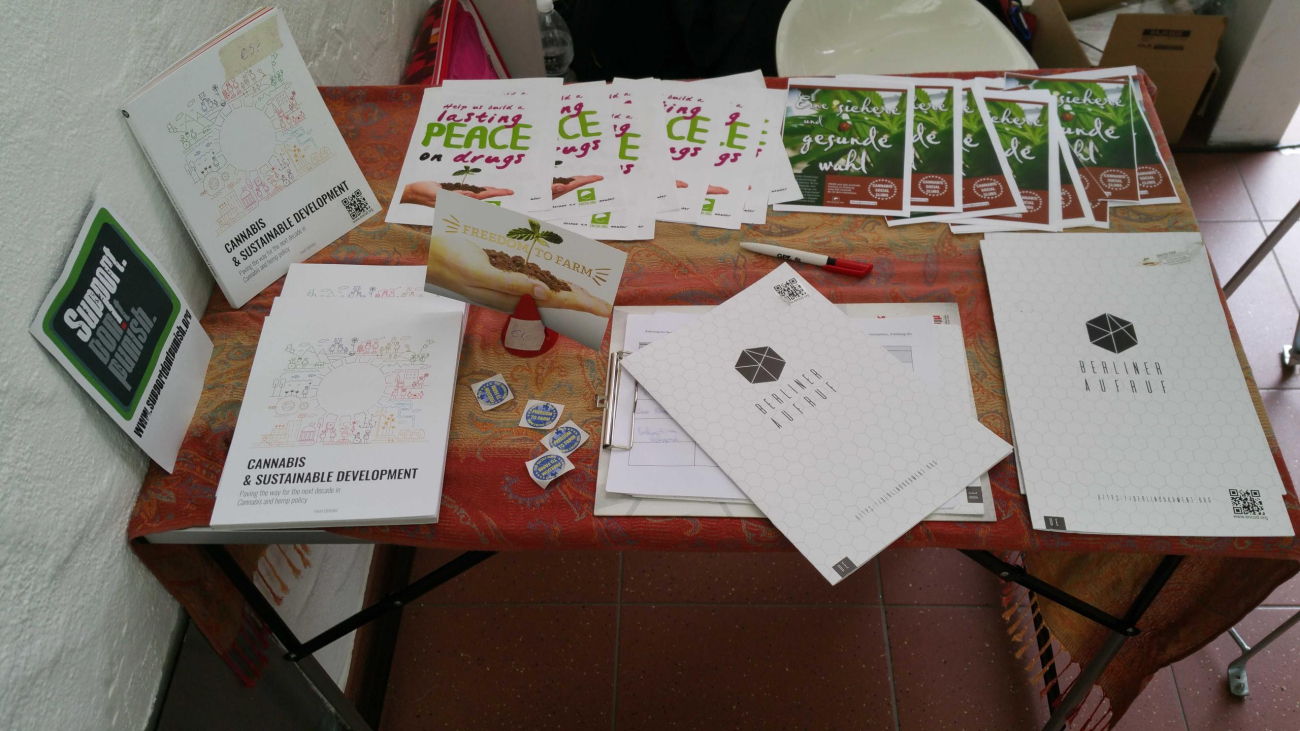
IMG-20200218-WA0004

Historical momentum at the UN about Cannabis WHO scheduling recommendations vote


Summary: EU positions on voting are a little bit different than the USA position; UN Africa sub-regional group is taking the leadership of a “chimeric apparatus”. What will be the UN decisions on WHO recommendations next March, 4th 2020? ENCOD is releasing this note to ensure that more feedback is shared and more interest would rise up worldwide in this very historical momentum into drug policy control.


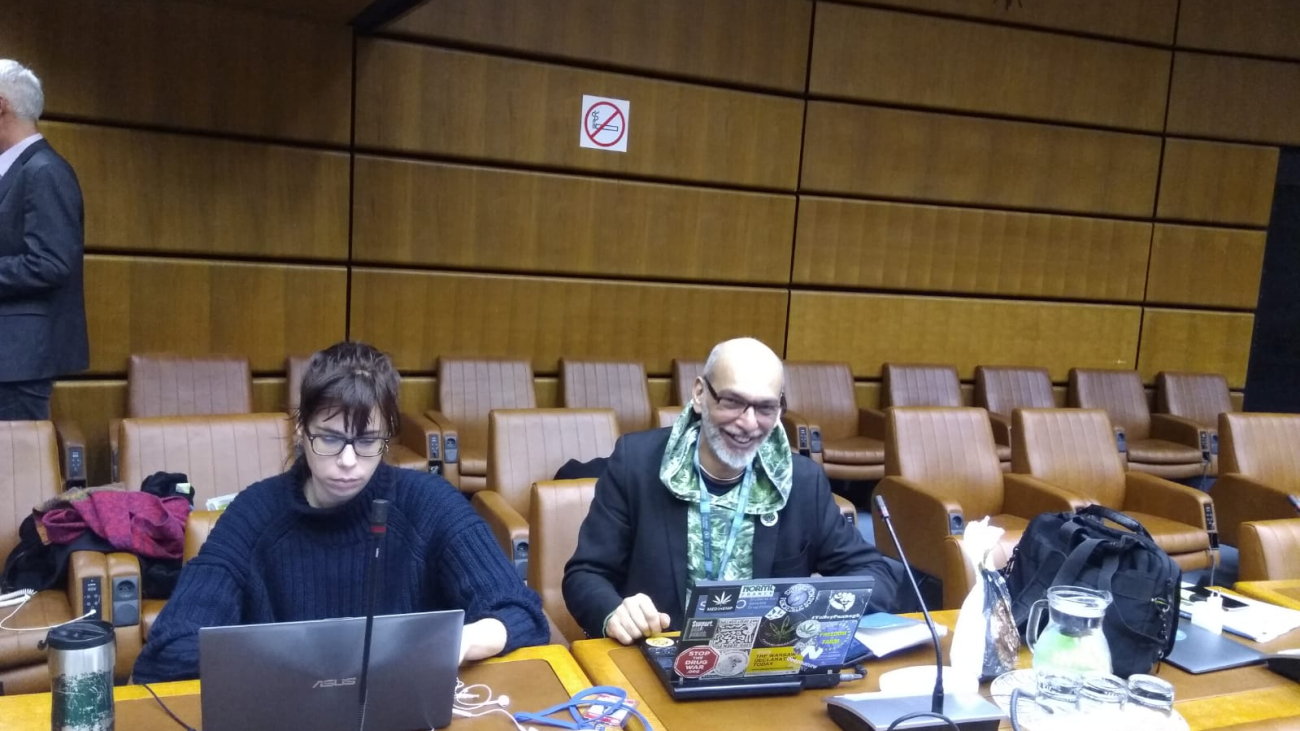
Last Monday, February 17th, the first intersession under the Pakistanese chair was very quick to achieve its agenda. In less than 45 minutes, M. Mansoor Ahmad Khan has read his declaration to end the agenda. As always and forever, CNDblog report is available CND Intersessional Meeting, 17 February 2020

Historical Cannabis paradigm shift or not?

What is historical is that for the first time ever WHO has scientifically assessed “Cannabis plant and some of its cannabinoids” dependence-producing properties and harm to health, to justify the current scheduling that is blocking access for patients and scientific researchers for pharmaceutical and clinical studies.

“The forty-first meeting of the WHO Expert Committee on Drug Dependence was held in Geneva from 12 to 16 November 2018. At that meeting, the Committee undertook critical reviews of cannabis and cannabis-related substances (cannabis plant and cannabis resin, extracts and tinctures of cannabis, delta-9-tetrahydrocannabinol (delta-9-THC; dronabinol) and tetrahydrocannabinol (isomers of THC)) and evaluated their dependence-producing properties and harm to health.

At its sixty-second regular session, the Commission received a note by the Secretariat on the changes in the scope of control of substances: proposed scheduling recommendations by the World Health Organization on cannabis and cannabis-related substances”

Nota Bene : Read this historical official document E/CN.7/2019/12.

The 62nd CND decided to postpone the decision, in order to provide more time to Member States for considerations about its implementation.

During two intersessions (First thematic, Second thematic), delegations addressed their questions to WHO experts, INCB and UNODC officials who gave their insights within their mandates. In addition, all member states could send written questions. A big document has been amended four times and made publicly available, so that everyone can read it: Compilation of all questions and answers on the WHO recommendations on cannabis and cannabis-related substances raised during the fourth and fifth intersessional meeting of the Commission at its sixty-second session

But the CND has to decide and to make decisions at its 63rd session – since then an informal consultation process is underway (Wednesday, 19th) to develop a joint understanding on the way forward towards the vote. With regard to voting options and the possibility of simultaneous voting about the recommendations, the responses of the Office of the Legal Affairs have been disseminated among the Member States (Annex 1). At least, a pre-session consultations of the 63rd CND session, on February 28th is scheduled in Board-Room D, Vienna International Centre.

Five years of ongoing discussions, with finally some technical issues that are complicating a very simple political decision. As a way to help everybody to understand the technical aspects, UNODC published an eBook that they printed and made available copies on table for all attendees : Scheduling procedures under the international drug control conventions

The Pakistan Chair of the CND is working for consensus-driven decision ahead of the vote.

In the corridors some say with skeptical voices, this consensus could be reached by setting up a very unprecedented intergovernmental working group (Vienna-based, govt-led) during 2020 to handle the recommendations, in order to delay the voting decision and to ensure a broad consensus over the implication of the decisions. In detail, the EU is totally opposed to because of the lack of funding, also because it was not budgeted and it would create a harmful unprecedented outside of the conventions. The USA was trying to figure out this possibility, and Russia endorsed it and then pushed the UN Africa sub-regional group to hold it strongly.

Because, it is not only the technical aspects of the six WHO recommendations that are still hard to explore, but some political tensions are rising among the supporters of a vote, and those totally opposed to vote. The deadline for receiving comments from Member States was extended. The comments should be made available this week on Conference Room Paper.

We don’t know what position will be adopted, as well as there is still interferences between USA (Annex 2)  and EU, and we don’t know about the others: Only EU in a draft decision dated from December (Annex 3 + Critical analysis in Annex 4), expressed by HDG (Horizontal Working Party on Drugs/Horizontal Drug Group), European Union vote on WHO recommendations was casted as: Yes (1,2,3), delay (4,5), no (6). But even EU countries have extremely different positions on this “single vote” decision (Czech Republic and Ireland are fully in favor of voting for all recommendations).

Cannabis Scheduling & EU position – February 2020 – by Kenzi Riboulet-Zemouli


ENCOD Executive Committee Note

Enrico Fletzer, ENCOD chairman : “This long due process can’t fail now because too many interests are in the balance, not only the millions of patients who need to get access to medicine, but also their doctors who can´t prescribe it”.

Maja Kohek, ENCOD Head of research department : “For centuries the Cannabis plant was used for all its properties and especially for medicinal purposes. In less than a century of prohibition, it seems that we forgot most of what our ancestors knew about the plant, its use and its potential. What amazes me is that, on one hand, science is learning more every day about the potentials of cannabinoids and the role of the endocannabinoid system while, on the other hand, there is very little willingness to match policies with evidence.”

Gaby Kozar, ENCOD Head of Information department : “We, as ENCOD, are clearly standing for the reform of the UN treaties that are undermining Human rights and the right to Health which they are supposed to guarantee. Current policies still generate more suffering than the best standards for the people’s relief.”

Ana Afuera, ENCOD Head of advocacy / EU – Policy department : “Since 2003 BedroncanTM has developed and has been able to export cannabis as medicine to 8 countries. Another one, a pure CBD pharmaceutical compound has been patented as the first drug to treat epilepsies for which no treatment was known. Who can argue now that Cannabis is a dangerous drug to parents who know that it is the only medicine for their children?”

Farid Ghehiouèche, ENCOD Head of advocacy / UN – Policy Department : “The 63rd CND have to vote, and at least to vote on the first recommendation to deschedule Cannabis from schedule IV of the 1961 “single” Convention and I quote the Experts of the WHO committee who “concluded that the inclusion of cannabis and cannabis resin in Schedule IV is not consistent with the criteria for a drug to be placed in Schedule IV. The Committee then considered whether cannabis and cannabis resin were better placed in Schedule I or Schedule II of the 1961 Convention” . They have to vote if they don’t want to send a very negative message showing their commitments and still not base policies on evidence with the first ever WHO scientific assessment on Cannabis”.


Last minutes

On Monday, February 17th, M. Olivier Veran has been appointed as Minister of Health in France. This nomination might bring fresh air at HDG. He has been the rapporteur for drug consumption rooms, product analysis and healthcare workers protection in 2016, and on medical cannabis experimentation in 2019. In a public meeting on January 23rd the new appointed minister said in his opening speech, as a neurologist: “I experienced the benefits and the wellness that my patients testified to me.”

f34e6b8e05d5e09c842f44006c3cd09ba30ed1f8f04b298d526bb9d0b0990ae5

Political irresponsibility locks up innocent people in jail

Six members of La MACA Barcelona were sentenced to a total of 31 years of prison for an offence against Public Health and illicit association. The sustainable, transparent and healthy option that the Cannabis Social Clubs (CSC) represent is being suppressed by the Spanish State.

An appeal will be made to the Supreme Court to demonstrate the injustice of sentencing an association that was involved in the process of regulation of CSC in Catalonia and on the national level. This sentence is a political sentence. La MACA stands for freedom of assembly and is a democratic association acting inside of the personal consumption construct.

We are seeds, plant the change!

Free La MACA Barcelona!

Political irresponsibility locks up innocent people in jail

The absolute hypocrisy of the Spanish State in drug policy is flagrant and counterproductive. Once again they have turned their backs to the associative model of cannabis use that has been demanding regulation for the benefit of public health and the human rights of. Public administrations and political representatives demonstrate great human irresponsibility by imprisoning us for our convictions. A serious attack on human rights experience in La MACA in the first person. 

La MACA was one of the first Cannabis Social Clubs established in Catalonia and was a pioneer in offering therapeutic support services led by Dr Joan Parés. La MACA is an association committed to social improvement It is made up of responsible members active in a political struggle to defend the rights of cannabis users. La MACA is part of CatFAC, ConFAC, REMA and ENCOD, and therefore is part of the Barcelona Associations Council, the Barcelona Youth Council, the Neighborhood Council, the Drug Dependency Working Group of the Barcelona City Council and the Vienna NGO Committee, among other entities. It is an association that is dedicated to improving the conditions of the people who live in their neighbourhood, who care about the environment, who actively participate in the surrounding community. In short, the association has worked tirelessly for citizen coexistence.

La MACA is made up of people like you, men, women, fathers, mothers, workers, students, unemployed, retired … activists who want to make their voices heard to give prominence to cannabis users. For a society that unites to create changes and give alternatives to the iron fist that continues to drown us with hypocrisies and control systems based on ideological postulates and not on scientific evidence. 

Today, we must denounce more than ever a serious attack on our rights. The 6 activists of La MACA have been sentenced to a total of 31 years of jail and very high fines for working for the benefit of all. For actively fighting against drug trafficking, mafias and providing health and safety of the chosen lifestyle. 

We are not criminals.

The sentence violates all our rights to a fair trial and is clearly unproportional and anachronistic. It does not take into account our work as an association, nor the witnesses presented, nor the defence. Justice is not fair if it is not legitimate and legitimacy is lost, if it does not contemplate the particularities of the specific case and the social context.

The hit has been very hard. But it won’t stop us. We will appeal to the Supreme Court. And we demand that policy-makers carry out the necessary regulation in Spain and give a political response to a social reality that allows dejudicialising and should be a challenge for the whole society. 

Many autonomous communities and city councils have already wanted to take a step forward to solve this situation that has such high costs, both for the administration and for us, ruining our lives. But this is the responsibility of the State, therefore, we demand that it fulfils it. Stop the illicit market and recognize our rights. Public health is also our health. 

We thank all those entities, people and companies that have supported us. In particular, we want to thank the members, who with their courage, loyalty and commitment, have carried out this project, without them none of this would have been possible. Today we need you more than ever. They want to stop us and maintain a criminal and prohibitionist system that has already been recognized as obsolete at the international level. 

“They can cut all the flowers – of cannabis – but they can’t stop the spring”, we are convinced of that. But right now we need you more than ever to continue the struggle.

The future is regulation, but we cannot achieve it without partners who help us. 

Everybody with La MACA

Everybody with the Freedom. 

Read in Spanish or Italian.
ReLeaf

ReLeaf Malta

ReLeaf Malta is a community-based NGO that seeks the regulation of Cannabis in Malta through safe and sensible policies.
ReLeaf Malta is a community-based pressure group that is demanding a change in national cannabis policy.
After decades of a failed national drug policy and the criminalisation of cannabis users, change needs to come to Malta. From the USA to Uruguay, countries all over the world are turning to more sensible and evidence-based policies to tackle the black market created by a policy of prohibition.
Whereas punishment and condemnation were used against drug users in a failed attempt at law enforcement of misguided laws and control of the black market, ReLeaf Malta proposes that regulation and education can be a much stronger national policy to combat these issues.
The multiple applications of the cannabis plant, from medicinal use to industrial use to personal use, have remained largely untapped as a resource, and Malta is in a prime position to be ahead of this global shift in change and take advantage of the fertile soil while it can.
We believe that regulating and controlling the cannabis plant will be incredibly beneficial to the country. Removing the economic and social power away from organised criminal gangs and placing it in the hands of the people and the government would not only mean a more healthy and prosperous society but a more fair and compassionate one as well.
Screenshot at 2020-01-23 17-48-54

Drug policy reform at the United Nations: A Youth Advocacy Handbook

Civil society engagement at the UN Commission on Narcotic Drugs (CND) and related meetings has improved dramatically over the past decade – in terms of the numbers attending, the opportunities to interact and participate, and the levels of experience and professionalism of non-governmental organizations (NGOs) themselves. These changes are very important given that  the contribution of NGOs and civil society organisations make policy making more responsive to the needs of society. Moreover, youth involvement specifically makes the voice of those who are normally excluded from policy making but are disproportionally affected by the results heard. In their efforts to promote an inclusive and evidence based debate, SSDPers have been organizing side events and have even been elected on the board of the Vienna NGO Committee on Drugs (VNGOC) which advocates for and oversees civil society involvement in CND proceedings. In order to encourage these dynamics, this Advocacy Handbook gives an overview of the main UN institutions involved with the making of global drug policy, as well as about the ins and outs of youth advocacy at the CND. We hope that such an overview will help you to make valuable contribution to the work of the CND and advocate for an evidence based drug policy embedded in the protection of human rights.

Please access the handbook here.

maltareleaf

ReLeaf Malta presented the proposal for legalised & regulated cannabis market

We are pleased to inform you that on 11 December ReLeaf Malta presented the proposal for legalised & regulated cannabis market to Hon. Julia Farrugia Portelli, Parliamentary Secretary responsible from the reform.
This proposal aims to provide local authorities with a brief over view of a regulated cannabis market for adult use and highlights the importance to enact legislative changes based on human rights and harm reduction principles.
ReLeaf underlines the importance of a multidisciplinary approach, therefore the need to include legal, social, economic, educational and health considerations when drafting a national framework regulating the cultivation, consumption and sale of the cannabis plants and its derivatives. As already proven by countries legislating and regulating cannabis for personal use, cannabis policy is best implemented through a balanced, evidence based and inclusive legislative framework.
Please find the Proposal here: ReLeaf-Presentation
and Video here: Releaf 2020 Proposal
2019-Banner-150x300-04-1080px-web-614x346

A seed for a better future: A proposal for a European regulation of cannabis use

We are proud to present our proposal, addressed to the European Commission, the European Parliament and the governments of the Members States represented in the European Council, related to cannabis use for recreational purposes and the decriminalization of minor offences related to illicit drugs.

The proposal defines the opportunities the European Union has to regulate the personal use of illicit drugs, as well as the cultivation or possession for such purposes in order to respect basic rights of the users. It presents the trends and legal possibilities to regulate cannabis supply systems, as well as provides arguments for the decriminalization of illicit drug use in the European Union.

It is necessary to give a voice to the civil society through the participatory tools in the Member States and to explore new models of regulation that are based on human rights and harm reduction.

For more information see: SUMMARY PROPOSALS FOR THE REGULATION OF CANNABIS FOR RECREATIONAL PURPOSES IN THE EUROPEAN UNION

releafmaltalogo

ReLeaf Malta proposes Freedom to Farm for the Maltese Constitutional reform

In the past years, Malta experienced drastic demographic, technological and infrastructural change. These changes are having a direct effect on the country and positioning Malta at a curious cross roads between a conservative and closed past towards a more open, diverse and inclusive future.

A country that slowly but surely emerges from a relatively economic and socially stagnant past, and moving towards an innovative and modern future requires a constitution which reflects novel aspirations of the people, whilst include safeguards for the promotion of a democratic and just nation state.

The country is implementing these changes with a strong capitalist mindset and with commercial interests sometimes taking over human, environmental and health considerations. We are seeing a corporate take over in various fields, with the role and rights of the individual diminished in the name of good business.

It is curious that when it comes to certain substances, such as cannabis, the Government together with businesses is centralising cultivation, manufacturing and distribution to the extent that Maltese citizens continue to face harsh criminal repercussions if caught cultivating cannabis for personal use.

ReLeaf is therefore highlighting the importance to safeguard the right to personal cultivation of plants, including psychoactive plants and ensure Maltese citizens continue to enjoy the right to personal cultivation and freedom to farm.

Read the ReLeaf proposal for the Reform of the Constitution of Malta here: https://riformakostituzzjonali.gov.mt/documents/andrew-bonello-releaf-malta/?lang=en

Source: ReLeaf Malta

00-20191013_header-1

Cultiva 2019 (AT) was a target of an intensive police action


This year’s Cultiva took place from 11th to 13th October 2019. But this time with less enthusiasm. This can be attributed to increased police controls, which affected almost 200 trade fair visitors this year. Hemp, a versatile plant that has been in great demand for more than 4,000 years, has been enjoying increasing popularity in medicine for several years now. A lot of countries around Austria decriminalized cannabis, but instead of supporting the prosperity of the citizens, a hunt is launched that destroys families, health and other livelihoods. “This is a violation of human rights,” comments ENCOD’s EC with anger. ENCOD is one of the NGOs who participated with an information stand at Cultiva for several years and educates interested people about drug policy. According to insider information, medical officers rent hotel rooms in the same venue with their drug dogs and catch visitors after closing time. Two years ago there were even racist comments made by Austrian Police officer to a group of visitors from Slovenia: ‘They should leave Austria and never set foot in the country again.’ Such measures are not exactly a model for a state that is on the first place of quality of life. Quality of life means prosperity and prosperity is defined with happiness, health, love and money. As for the first three values, the country seems to be increasingly impoverished. It is time for citizens to take certain actions into their own hands.

Police department of Lower Austria published on Oct. 14th 2019 a press release with the following records:

161 drivers were impaired by (illegal) substances

22 drivers had to pay a fine

6 drivers refused examination by public medical officer

15 drivers had symptoms of fatigue


Confiscated products:

710 g cannabis, 36 joints, 11 grinders, XTC tablets, magic mushrooms and a knife.

The actions of the police are outrageous and point to several important issues related to cannabis. There is an urgent need to define the allowed levels of THC in blood since the cannabinoid stays in the body for a much longer time than the acute effects last. Medical users (even German patients who have a prescription and are allowed to drive in Germany) were humiliated, mistreated and taken by the police as criminals.

The “City Back Driver” project was founded by CIA-TV (and support of ENCOD) to redirect trade fair visitors back to the urban areas for a voluntary donation. Of course, the drivers are “clean”. The action has been enforced on Sunday evening, as taxi drivers joined the project. More solidarity and humanity are needed in this world. If there is a fair next year it’s time again and you can sign up as a City Back Driver (and maybe From City Driver too).

If you still have interesting reports and information from the Cultiva, send it to office@encod.org.


abuela

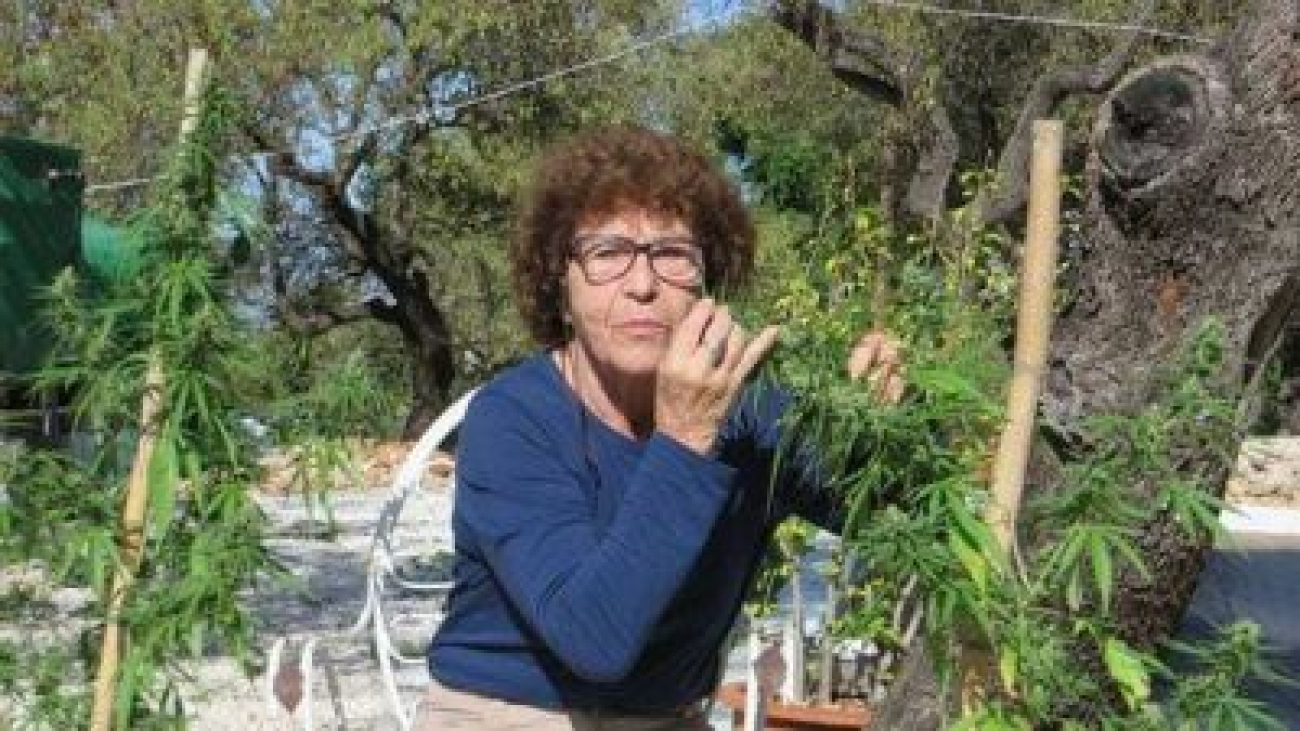
Fernanda, the grandmother of marijuana

A step away from jail at 76: “I am not a drug dealer”

76 years old Fernanda was the first legal cultivator in Spain. Now she will be judged for an alleged excess production.

She is 76 years old and is judged for 4 years in jail. The reason? Marijuana plants in her garden. Her name is Fernanda De la Figuera and she is one of the most relevant cannabis figures in Spain. The marijuana grandmother is a familiar and respected face within the national cannabis scene. She has been planting in her garden for 50 years. Now, for that reason, she faces 4 years in prison.

Fernanda, born in Madrid but resident in Malaga for more than 40 years, got to know cannabis in the 60s. Since then she has become one of the greatest hemp activists in her country. Her fight achieved milestones in the mid-90s, when she became the first legal cultivator in Spain. She also participated in the creation of the first cannabis clubs in Spain, based in Barcelona. She has never trafficked. The purposes of her cultivation is essentially medicinal. Now she is accused of overproduction and that can lead her to jail.

“No, no. If I wanted to make money with marijuana, I would have become a drug dealer. I am not a narcotrafficker. It is not the case and everyone knows it. I do not traffic. I plant marijuana for medical reasons; because thanks to her I can live in decent conditions. I was diagnosed as a child with a series of health problems, such as osteoarthritis, rheumatism … I fell and broke my tailbone. If it weren’t for marijuana I would be in a wheelchair. I don’t just say that, doctors have diagnosed me“, she says in a conversation with EL ESPAÑOL.

Tomatoes, corn, marijuana …

In 1995 she was allowed to legally cultivate marijuana plants for medicinal purposes after a precedential sentence in Spain. “I had an excellent lawyer and got the right to plant in my garden. I had a row of tomatoes, another of marijuana, another of corn… ” She was basically growing her medicine. “And that of my daughter, for example, who has not smoked in her life and suffered severe menstrual pain. She gave her a scrub with cannabis oils and calmed all the pain”, she says.

If you have been allowed to legally cultivate, where is the problem? In quantity. Fernanda opened cannabis associations with a strong feminist component. She called them “Mary x Mary.” “I have been a feminist when the movement in Spain was not yet important. I was a single mother and advocated for responsible motherhood without getting married,” she recalls. With her associations, she sought to bring women closer to cannabis culture in a responsible way and with information. “But in the associations there are also men, I get along very well with them, I want them working and fighting by my side,” she summarizes.

In these associations, all affiliates collaborated to have one plant per member. The fame of the figure of ‘the cannabis grandmother’ and the philosophy of her clubs made the number of members increase. “At the beginning we were 25, so we cultivated 25 plants. In the end we were more than 100, I can’t tell you if we were 120, 150 or 180. Well, one for each one, which is fair,” says Fernanda, who adds that “sometimes the calculations don’t add up. Some plants do not mature, others do not get yield … You end up balancing so that everyone has at least some cannabis. You tell me, if that is trafficking.”

Trial Suspended

The alleged crime is in the increase of production. The increase of members has led to a logical increase in production, and this is why they have denounced it. They have tried to obstruct Fernanda’s growing on all sides. Legally and illegally. From security forces to thieves. And in the end, although she became the first legal cannabis grower in Spain, she will be seen again in court for this matter. She is accused of an excess of production. Spanish legislation has a great legal vacuum in the field of cannabis production and now they accuse her of producing more than she should. In total, she faces 4 years in prison.

The trial should have been held on Thursday, April 25 at the Provincial Court of Malaga, but it has been suspended. “They have postponed it until October for a matter of missing documents. Bureaucratic issues.” Thus, its uncertainty continues until after summer. However, Fernanda maintains a positive attitude about it: “Let’s not be pessimistic. We’re going to wait. If in the end there is a conviction, then there are other courts above to appeal,” says Fernanda.

The century of cannabis medicine

“This is going to be the century of cannabis medicine and they know it in countries like Israel, where it is being given to older people who find an absolute improvement with marijuana treatments. It doesn’t have to be smoked, there are oils, tinctures, edible formats…”

As a person with more than 50 years of experience as a consumer says, “and it has done me only good. I was born in a very conservative family, very male chauvinist, military. But it was precisely the contact with the legion’s military, those who came to Malaga with the kifi (the name of marijuana pollen in Morocco) that put me in contact with cannabis. My parents, in the end, who lived in Larache (Morocco) and never smoked, finally understood why I consumed,” she recalls. She has spent her entire life consuming to improve her health. And not even the threat of jail will change her philosophy: “I am not a drug dealer. I have never sold. I only grow to be healthy. Cannabis has been with me all my life, but I wish I had known it before. ”

translated by ENCOD

Original source: https://www.elespanol.com/reportajes/20190426/fernanda-abuela-marihuana-paso-carcel-no-narcotraficante/393961657_0.html

enrico_hannes

Report on ENCOD GA 2019

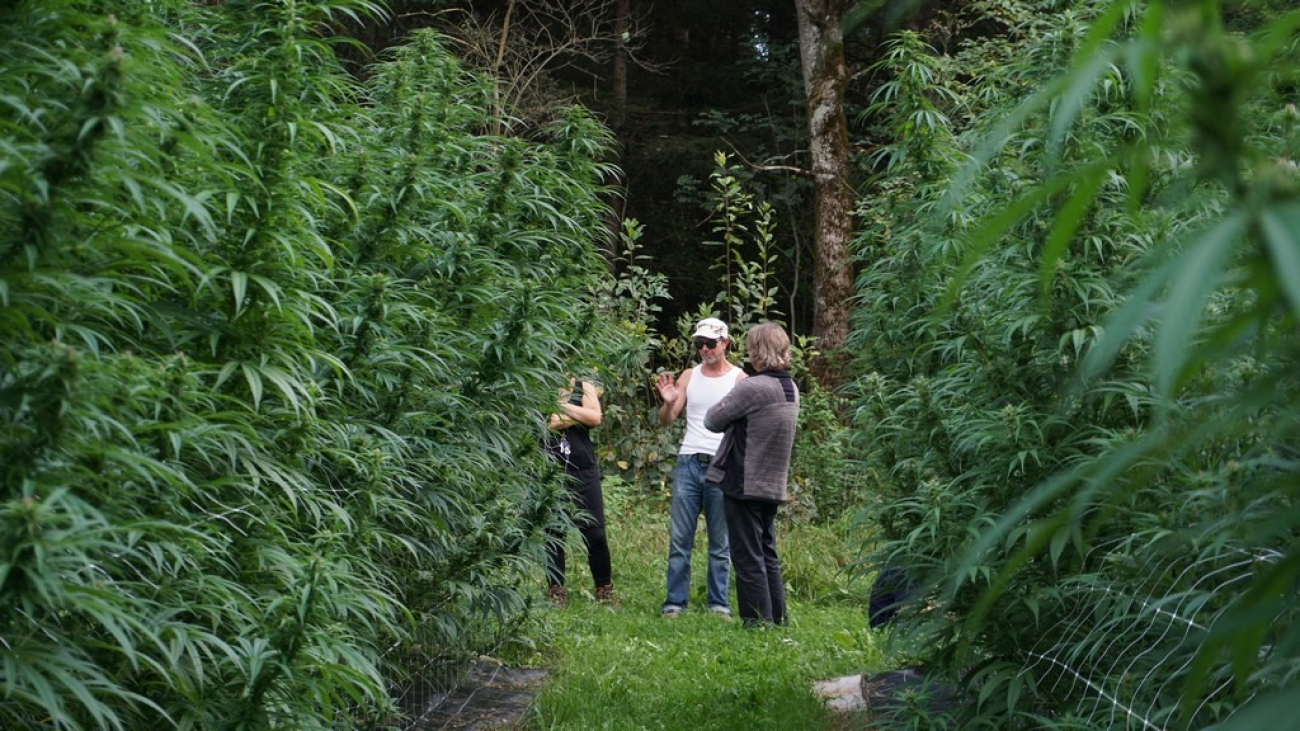
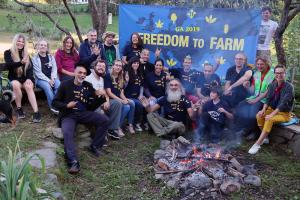
This year ENCOD’s General Assembly was held in Austria, Carinthia, Liebenfels, from 13th-15th September 2019. 23 ENCOD members from 10 European countries attended the assembly and elected 1 new member to complete the EC, as one member from last year’s GA dropped out. We proudly announce that our Executive Committee is complete till 2020.


Friday

On Friday the narrative and financial reports have been presented by the EC members. The treasurer was discharged for the financial report.
Enrico was active in networking on the international level and in collaboration with Knowmad Institute.
Maja was absent for most of the year due to fieldwork she was conducting in Catalonia for her PhD about the ritual use of psychoactive plants. She also collaborated on a study about regular use of ayahuasca from the perspective of public health. The paper was published in 2019 in the Journal of Psychoactive drugs. She also participated at the third World Ayahuasca Conference in Girona and the Ibogaine forum in Porto, Portugal. More ibogaine forums have been planned in 2019, but were not carried out due to lack of funding.
Ana was focused on the European and international level of drug policy since the last GA. She lead the project “Be the voice”, talked to representatives in the UN and to several MPs about medicinal cannabis. She was also advising political parties in different countries such as Czech Republic, Portugal, and Italy. She was networking with think-tanks, universities, ICEERS and others to create a regulation proposal for Europe. Ana initiated a survey, which results will be used to for the discussion and the creation of the new European drug plan.
Besides taking care of accounting of the organization, Gaby was active at fairs in Austria, Czech Republic and Italy, and helped in the organization of the International cannabis policy conference as well as the Marihuana March in Vienna. She is also active in the CSC initiatives in Austria, is in contact with medical professionals and political representatives in the country. Due to her activity, Encod is considered as a consultant organization about legalization discussions in the country. She was also leading a parliamentary citizen initiative and collected over 500 signatures for legalization of cannabis so far. The initiative is going to be presented to the government in the near future, since there have been elections on the 29th of September. Another project about analytics of cannabis grown by small growers / individuals was initiated and is currently in fund-raising phase.
The question was raised why there were almost no bulletins published in the last year? Since the last GA the EC member responsible for communication was not fulfilling the duties and eventually resigned from the position. That’s partially the reason for a failed bulletin communication besides IT issues.
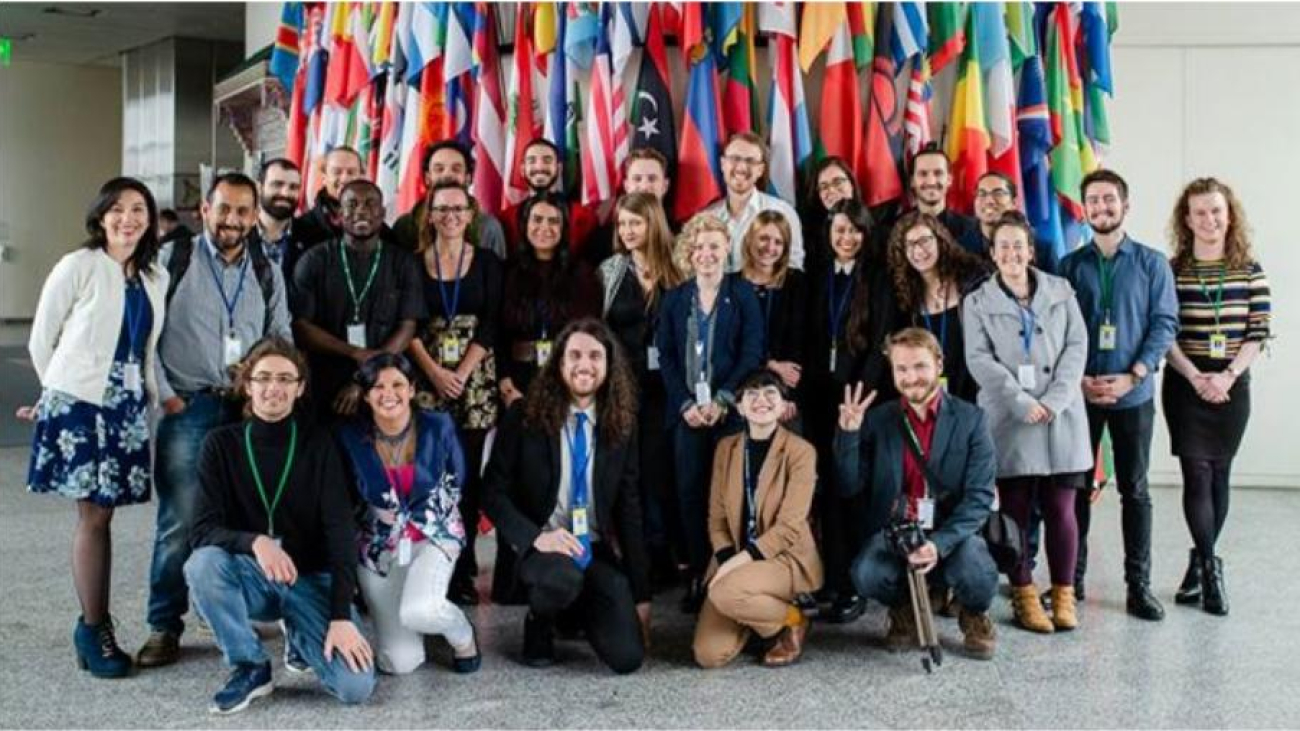
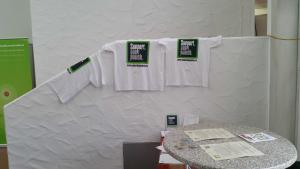
Farid reported on the activities done at the last UN CND meeting in Vienna. There were troubles with UN security because of dress code (the “Freedom to Farm” T shirts were seen as inappropriate propaganda). Two demonstrations took place: one silent demonstration which ended with 4 times shouting “no more killings” to target the Philippine booth and another demo “Support Don’t Punish” was organized to take a group picture with the UN flags behind the demonstrators. Some people were arrested because they took photos and one TNI representative was expelled from UN buildings and forbidden to enter the next day.

Country reports

Italy
Enrico was talking about the situation in Italy. Legalization made everything worse. Cannabis is allowed, but still complicated to access for patients. 50.000 people proposed full legalization, there were MMM organized: about 5000 in Rome, in Pisa up to 10000 people. The events were surrounded by the police.

France
Farid was updating on the situation in France. In 2017 we thought that Macron would reform, but we are very disappointed even if we can note some progress. The law was lowered in theory by the implementation of fines (200 euros) and prosecutions remain. In 2018, a scientific committee was established to inquire about medical cannabis and issued recommendations about the access to cannabis as medicine to the French Health minister. It is not sure if it will really be a progress as there is still doubt if cultivation and production of cannabis will ensure cannabis medicine to be available. In theory, about 4 million people could get a prescription, but they’ll have to accept to enter a scientific research program where they’ll have to be regularly screened. In 2019, a group of MPs launched an inquiry mission about all usages of cannabis (industrial, textile, building, even to make road), but still a large part of the French agencies engaged in policy reforms are claiming the the main target is to legalize, and make it regulated by the market. Two major conferences were organized since January 2019: one by “Cannabis Europa”, gathering more than 300 people and investors from all over the world in La Maison de la Chimie in Paris. The second conference entitled “Cannabis Business France”, where a lot of French growers / farmers / entrepreneurs that are interested to enter into this business were present, and even big pharma company Sanofi was taking part. Encod members, like Cannabis Sans Frontières and Norml France joined the efforts and organized the Million Marijuana March, re-branded with a very simple French name “Cannaparade” in Paris. About 3000 peoples were occupying the streets, as well as the Yellow jackets which were joining at the end of the demo, while the green jackets joined from the start in Bastille place. Since spring 2018, in all cities CBD shops are popping up, and sometimes closed by the police. It depends on the local officers who are trying to implement general guidelines issued last July by the government. Still some shops are opening, while some were closed and their owners prosecuted. It’s quite a big mess. Last but not least, sometimes courts are releasing them, and one court in Bordeaux declared that the government’s guidelines were “irrelevant”. Next year, spring 2020 there will be local elections for city hall. We’re working on a proposal to build a Cannabis Municipal Club (Cannabis Local Club).

Czech Republic
Radek talked about Czech Republic, where the situation is not changing. The Pirate party has put a proposal to the parliament. Maybe someday it will be discussed in the parliament, but nobody knows when it’s going to happen. Concerning medical cannabis, it is being imported from the Netherlands, Canada, and also produced in Czech Republic, but the price is too high. If the insurance company would pay around 20% it would be fine. Concerning industrial hemp, a lot of farmers had problems because more than 0,2% of THC was found in the plants. There are also issues connected to driving and cannabis use.

Germany
Ingrid presented the situation in Germany. In the last year there was a movement. But the situation is still complicated, there are many challenges. Patients get no money from the insurance for cannabis. They need a permission letter to get medical cannabis. There is still an ongoing debate in the parliament. An initiative wants to go to the supreme / constitutional court to get permission for using medical cannabis. Judge Müller (LEAP) is one of the persons who helped start this campaign. The price of cannabis is 20€ / g which is too expensive for patients. For private prescription it’s cheaper to go to the black market. Next year the use of medical cannabis should be allowed, but produced only from Canadian companies. There were cases where the cannabis received by a pharmacy was moldy and very bad quality. According to the law in Germany it would be possible to apply for a social club model, but there is none currently. There is also a discussion on legalization of all drugs in Germany.

Austria
Manuel was representing Austria and pointed out the importance to separate the policy towards THC and CBD. Austria wants to prohibit the selling of seeds and clones which would ruin peoples enterprises. CBD is legal to smoke up to 0,3%THC. If you grow it you are still a criminal. luxperpetua commented on one case in Austria who had aids and was allowed to grow for personal use. The second case is Martin Winkler who cured himself of cancer with Rick Simpson oil, he didn’t have any problems with the law and was monitored by a medical doctor. Concerning other substances, ayahuasca treatments are unofficially existing in Austria. Substitution programs are run in a “liquid handcuffs” way, the quality of heroin is bad and substitutes medicaments are being injected. In the afternoon there was more talk about the social clubs/cannabis medicinal clubs in Austria to serve as a model for Europe.

Malta
Karen came from Malta, where cannabis was an illegal substance since the 60s. A shift was in 2010, when a movement questioning drug policy developed. A change in the law followed in 2015, which brought treatment instead of imprisonment and the decriminalization of small amounts (3,5g for cannabis). Medical cannabis was legalized in 2017. In 2018 Bedrocan was sold in the country. You need a recommendation by a medical doctor to start a cannabis treatment. There is one doctor currently prescribing medical cannabis and there are some 200 registered patients. On a national level personal use is being discussed, but not recreational use. There is also a growing harm reduction discussion on cannabis. Malta has high prices for a gram of cannabis (from 20-25€ / g; or less but very poor quality). The government is proposing education and activities to engage kids in sport and other activities that would keep them away from drugs. “Releaf Malta” is an organization that is pushing for regulation and change of cannabis policy, and trying to bring in an evidence based approach. Safe injection rooms are unexisting, but there is substitution therapy. There is someone organizing ayahuasca ceremonies, but LSD and mushrooms are more popular.

Slovenia
Maja gave a report on Slovenia, where not much new is happening. Concerning medical cannabis the most interest is in cancer and epilepsy treatments. All other illegal substances are not being discusses in terms of legalization / regulation. There is some ayahuasca use and some psychedelics use in the country. An unknown substance known under the name “Indian tobacco” is on the black market currently, and a pharmaceutical drug is used recreationally. Growing is still illegal, even for one plant you can get into trouble. Hemp can be grown, but it’s unclear what it means for CBD products, which are sold even at gas stations (for example a tea imported from Switzerland – 10€ for two tea bags).

Estonia
Jana came from Estonia, which is a small country in terms of population. A lot of cannabis comes from Amsterdam. There is only talk about cannabis, nothing about the other drugs. Amphetamine and cocaine are also popular. The prime minister is conservative and it is difficult to start discussion on cannabis when the country is right oriented. The limit for THC is 0,2%. First shop opened this year. It is illegal to smoke it. Medical use is possible, but there is no program. You have to go to Finland or other countries to get Sativex or something similar from a pharmacy. The prices on the black market are high (20€ / g). For a personal grow you go directly to jail. If you grow as an organization you get a fine. It is hard to get into the discussion as an NGO or media because everything is happening on a high medical level.

Spain
Ana was talking about the situation in Spain where there is a massive movement of CSCs, safety consumption rooms in Barcelona are regulated since 1980’s, but if you enter into the methadone program you lose your social rights. There is also an initiative on coca leaf and cocaine. There is an association for mushrooms where it is possible to take psilocybin in microdosis. Concerning cannabis, public use is not allowed, it is fined from 600€ – 10.000€. Patients get the fine and then you can make an appeal to the administrative instance. For trafficking you can get 6 years of prison. It is sure that cannabis is going to be completely legalized, but nobody knows when. There were 3 cases of CSCs going to the supreme court. They were not found guilty, but were also not allowed to operate anymore. The strong point is the social movement – the government would need to put 45.000 people in jail to destroy the CSC movement. The party “Podemos” is in favor of the regulation of the CSCs. They have competencies and majority in the government and open to debate about the CSC movement. In Madrid there was a big MMM manifestation.

Belgium
Kris made a report on Belgium, where there is some kind of “potpourri”. Some medical doctors are prescribing Sativex, but it is very expensive. Cannabis is being medicalized. In the court case of TUP, several people of the CSC have been found guilty, but went into appeal.

Internal affairs I.

Gaby shared the issues the EC encountered regarding some new members. Anicka stopped working as the secretary and communication manager because she was difficult to reach and talk about it. An agreement was presented to pass her duties to Manuel. However, she still wanted to represent Encod when talking to political parties in Czech Republic. She was dismissed due to her inactivity in Encod. Therefore, we had to elect a secretary and communication manager in this GA. We also opened a position for one additional EC member to replace Anicka. There were some updates also on the internal invoicing rules and a template has been created for EC members to fill out in order to get a refund of costs.

The candidates for the open positions have been presented:

Farid, the candidate for the EC member. He joined ENCOD 1999, and chaired ENCOD from 2004 to 2006. He is mostly active in international drug policy arena and co-founded FAAAT. At the national level, in 2009 he founded Cannabis Sans Frontières (Cannabis Without Borders), a political party running for elections in France. He was 10 times attending annual CND meeting during the last 15 years, and recently closely following the Scheduling issues regarding Cannabis at WHO on Geneva.
luxperpetua, the candidate for the communication manager. He has knowledge on strategies on social media. He also has graphic designer competences. He is working full time as a German teacher and is fluent in German, Polish and English.
Maja, the candidate for secretary. She’s part of the EC for several years and can fulfill the tasks of the secretary because she’s familiar with the work and the organization. She also speaks several languages.

Presentation of a local initiative

In the evening a representative of ARGE CANNA, Gerry Düregger, came to present the work of the NGO and share with us their vision of decriminalization of production and possession of cannabis. ARGE CANNA fights for access to cannabis for patients, which means quality controlled cannabis at low prices. ARGE CANNA is active in scientific projects, education of people, and political lobbying at a local level.

Saturday

Members proposals were discussed on Saturday morning, where Farid prepared a presentation about UN procedures and scheduling. It can be found at https://faaat.net/cannabiswho/ (scroll down to the headline Understanding the Schedules of the 1961 and 1971 Conventions). The CND meetings and more information can be found here: https://www.unodc.org/unodc/en/commissions/CND/CND_Meetings-Current-Year.html.
Farid also explained that FAAAT is not existing anymore, but there is still relevant and informative information on the webpage, which is still online: https://faaat.net/. Other topics were discussed and presented such as regulation practices, and the interpretations and uses of statistical data, etc.

Freedom to Farm

A brainstorming was done about Encod’s future campaign and activities. The GA agreed that Freedom to Farm is a very important campaign and a fundamental human right, which is addressing a complexity of drug issues with the CSC model at its core. A fight for personal use and personal grow will remain a fight for several years. Encod stands for the grassroots level, human rights, fair trade, and sustainability. We have to raise awareness not only about cannabis, but other plants and substances such as the coca leaf. Encod stands for all plants.
A working group on Freedom to Farm is being created, which will work on the development of a defined campaign in the following weeks.
Sunday

On Sunday Ana had a presentation international drug policy frames; informed us about the status of our ECOSOC status, which is still pending; and the importance of political lobbying at the national and local levels. She pointed out the most important discussion points such as the freedom to farm, the differentiation between use vs. abuse, prevention instead of criminalization, quality control and quality standards. An opportunity to influence future drug policy will be active presence at the creation of the EU Action Plan on Drugs (2013-2020), where Encod attempts to contribute with the findings of the survey conducted in the past year in member states.

Establishment of work-groups

Part of the political working group are Ana, Farid, Enrico, Kris, Jana, Ingrid.
Part of the Freedom to Farm group are Maja, Gaby, Karen.
Part of communication group are Patryk, Maja, František, Jana, Eller.

Internal affairs II.

In 2018 the GA elected the Executive Committee for 2 years (5 people) Gaby, Maja, Enrico, Ana, and Anicka. However one had to be dismissed. After voting Farid was elected into the EC as a replacement until next year. Maja was elected secretary, and luxperpetua was elected communication manager. Substitutions for official positions have been delegated as well. Gaby substituting the president, Enrico substituting the treasurer, Farid substituting the secretary.

With the voting done, the official GA was concluded.

A big thanks was expressed to the Austrian delegation for organizing the GA and all the accompanying events and visits in the area, especially to ARGE CANNA. Next year’s GA will be held in summer. Place will be announced in time. Suggestions welcome.

ENCOD

European Coalition for Just and Effective Drug Policies

www.encod.org | office@encod.org

Twitter: @encod | Facebook: @ENCOD